
Start with the site, not the artwork
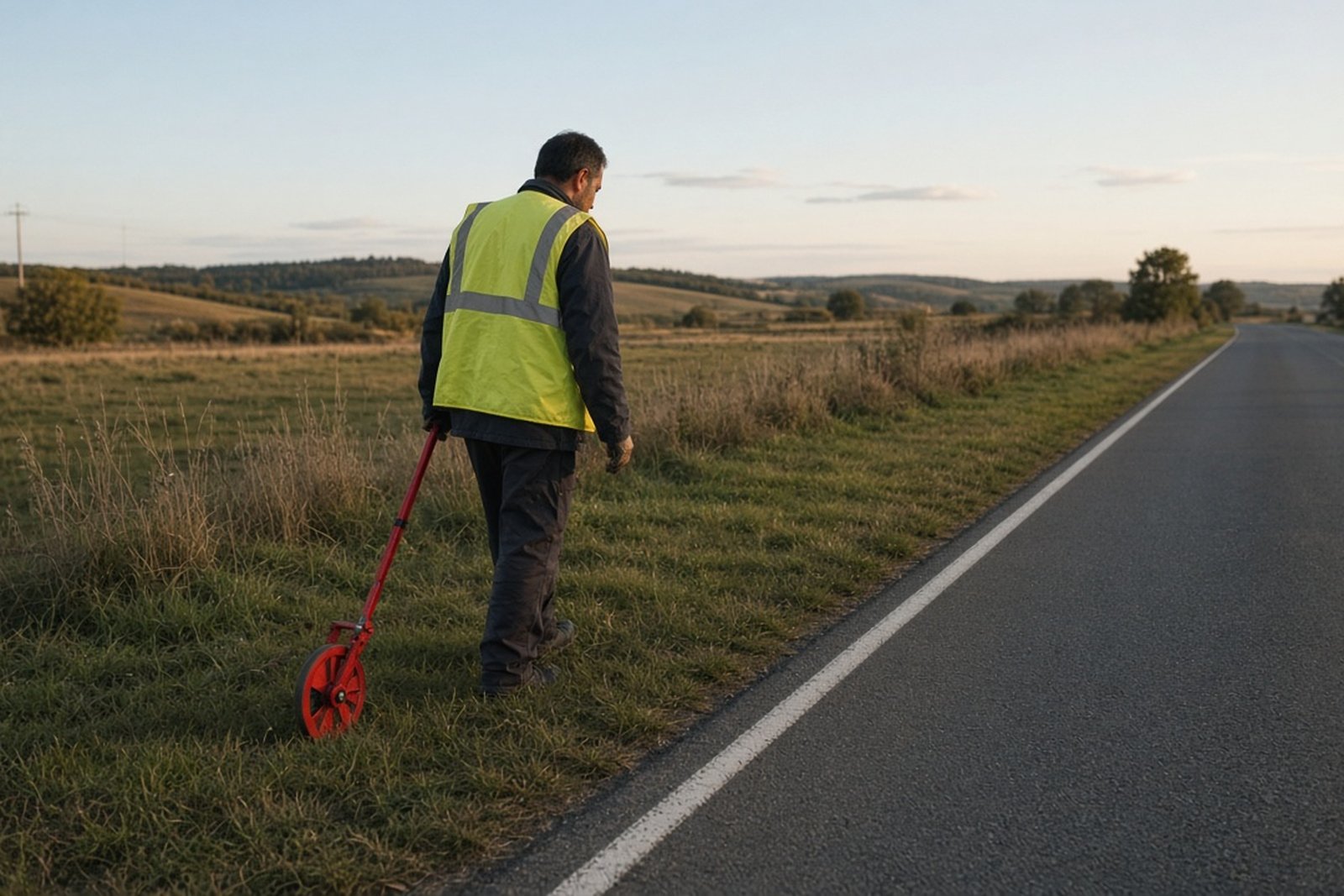
Before anyone talks about colours or illumination, measure the site properly. A pylon sign that works for a corner entrance in Hamilton may need a very different height, footprint and setback at a highway-facing property in Mangaung or a retail site in Botshabelo. Road speed, traffic flow, nearby trees, boundary walls and power access all affect the final sign size.
We usually begin with a site survey so the sign can be planned around real conditions, not guesses. The ground type matters too. A soft verge, filled soil or an area with old services can change the footing and steel support needed. In the Free State wind can catch a tall sign hard enough to create movement, so the structure has to be sized for the site, not just for looks.
- Measure the available frontage and set back from the road edge
- Check where vehicles enter and exit the property
- Note nearby poles, trees, walls and other signs that block visibility
- Confirm access for installers, cranes or cherry pickers if needed
- Check underground services before any digging starts
Work out who must see it and from how far
The best pylon signs are planned around the driver, not only the business owner. A roadside sign for a filling station, warehouse, clinic or retail centre must be readable at the distance people first see it. That means the sign face, letter height and message length must suit the travel speed on that road. If the sign is too busy, drivers will not read it in time.
Keep the message simple. Most pylon signs need the business name, logo, one line of service and maybe an arrow or unit number. If the property has several tenants, the layout must stay legible from the road and still make sense when viewed close up. Too much text can make a sign look cluttered and expensive without improving results.
- List the top information a driver must absorb in 3 to 5 seconds
- Decide whether the sign is for passing traffic, turning traffic or both
- Keep brand marks and text sized for the viewing distance
- Use strong contrast so the sign stays readable in daylight and at night
Check municipal rules before you commit to a size
Free-standing roadside signs often need approval, and every municipality has its own process. In Mangaung and nearby towns, it is worth checking zoning, placement rules and any street frontage requirements before fabrication starts. A sign that sits too close to a road reserve or blocks sight lines can delay a project. In some areas, a double-sided sign may be allowed, while in others the height or illuminated faces may need more careful handling.
Planning early saves time and avoids changes after the steel work has begun. If a site falls under a shopping centre or landlord approval process, there may also be private rules for colour, height, lighting hours and branding. Keep a copy of all approvals with the project file so the installer and fabricator are working from the same information.
- Confirm zoning and consent requirements with the local authority
- Check whether the sign can be illuminated after dark
- Ask if there are limits on height, setback or face area
- Confirm if the landlord or body corporate has extra rules
Plan the structure, footing and power at the same time
A pylon sign is not only a face panel. It needs a structure that can handle its own weight, the wind load and any lighting system inside the cabinet. Taller signs usually need a stronger steel frame and a larger concrete footing. If the site is close to the N1 corridor or open ground outside town, wind pressure may be higher than expected. Coastal humidity is not the main issue here, but rust protection still matters because weather and dust will work on the steel over time.
If the sign will be lit, decide early whether power is available at the base of the sign or if a new run will be needed. That can affect trenching, cable length and maintenance access. For load-shedding, consider whether the sign must stay visible with an alternative power plan or whether the lighting can switch off safely. Once the structure is up, changing these details later can be costly.
- Choose between internal lighting, external flood lighting or no lighting
- Specify corrosion protection and paint finish for the steelwork
- Allow for maintenance access to lamps, wiring and fixings
- Check whether the footing can be placed without hitting services
Choose materials that suit long-term use
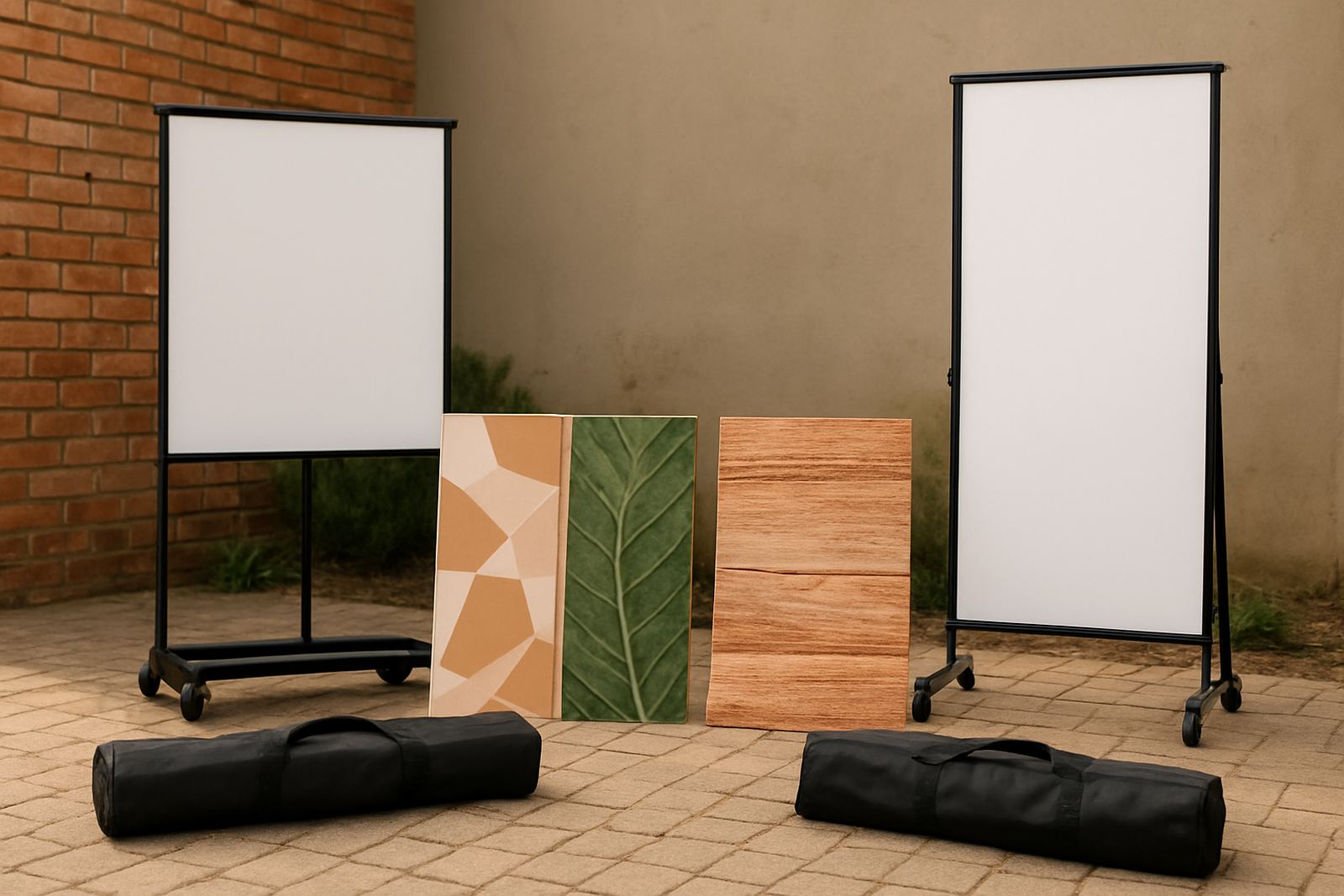
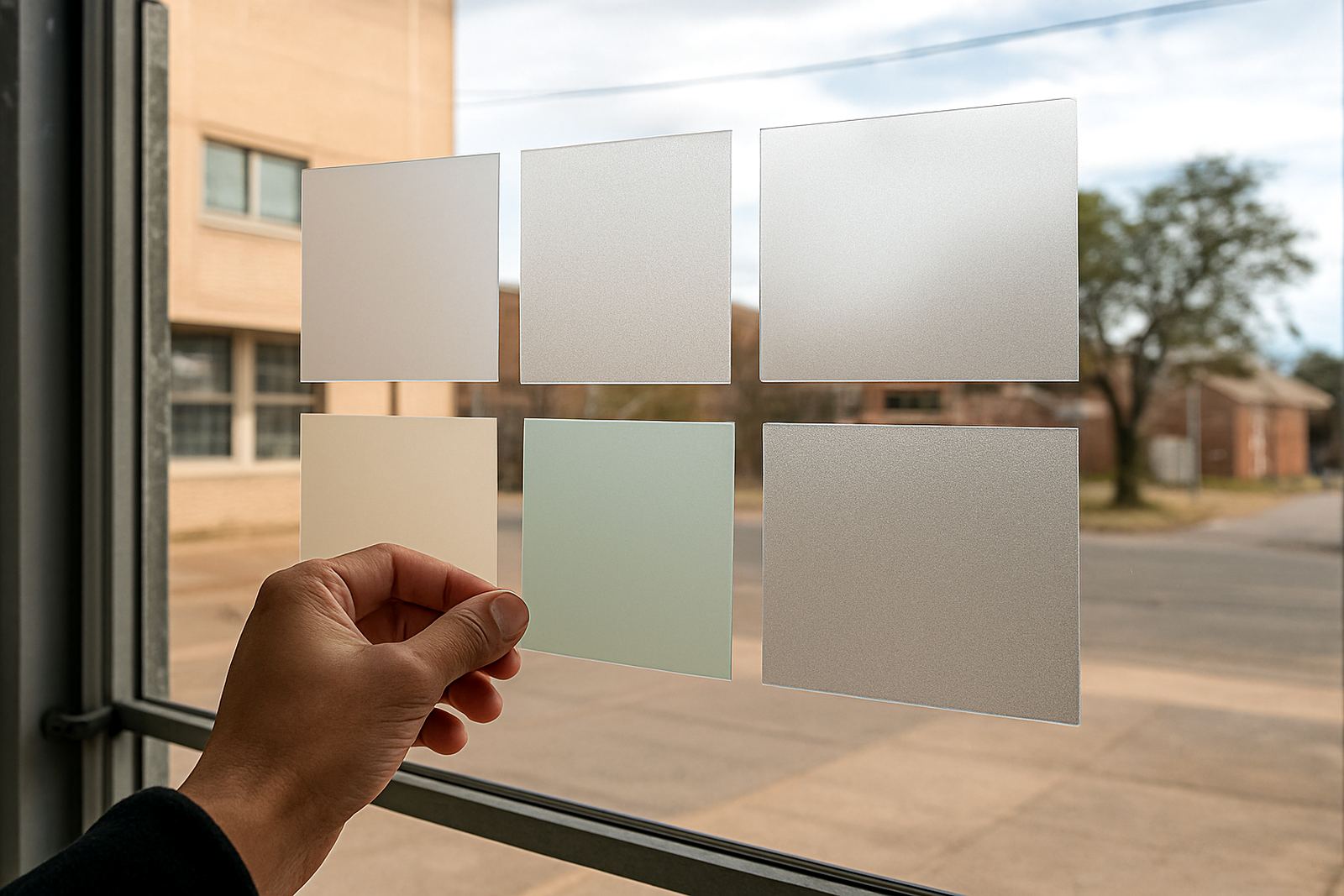
Materials should match the site and the expected wear. A pylon sign near a busy road may need aluminium faces, steel framing and vinyl graphics that hold up against sun and dust. If the sign is in a place where trucks reverse close to it, impact protection becomes important too. For schools, medical sites and retail parks, the face finish should be easy to clean and not show every mark.
Graphics should also be planned for replacement. A sign with changeable tenant panels or removable faces makes future updates easier than a fully sealed design. That matters when a business name changes, a tenant moves in, or a promotion needs a refresh. It is better to plan for this at the start than to strip and rebuild later.
- Ask whether the face will be vinyl applied, printed or cut graphics
- Confirm if tenant names may change in future
- Choose finishes that can be cleaned without damaging the print
- Build in easy access for sign refurbishment and maintenance visits
Use a simple checklist before you ask for a price
When you have the right details in hand, pricing becomes more accurate and you avoid surprise costs. A proper brief should include the site address, sign location, rough size, whether it must be lit, and any approval or landlord rules already known. If there is an old sign on site, note whether it must be removed, debranded or reused. The more complete the brief, the easier it is to compare options fairly.
For businesses in Bloemfontein, Welkom, Kroonstad, Botshabelo and Thaba Nchu, a clean brief also helps us advise on installation timing and access. Some sites can be measured and installed quickly, while others need extra planning because of traffic flow, wall strength or difficult ground. A good sign starts with good information, not guesswork.
- Site address and contact person
- Approximate sign height and width
- Single-sided or double-sided display
- Illuminated or non-illuminated
- Need for demolition, removal or debranding
- Any deadline linked to opening day or a tenancy handover