Why prep matters before any vinyl goes onto a vehicle
Vehicle graphics only look as good as the surface underneath them. If a bakkie comes in with dust, old polish, stone chips, tar, grease or lifting paint, the vinyl can fail early or trap marks that show through the finish. That is why prep is not a quick wipe down, it is a proper part of the job.
For fleet vehicles in Mangaung, Botshabelo or Thaba Nchu, this matters even more because the vehicles often work daily and collect fine dust from roads, yards and loading areas. A wrap or decal must bond to a clean, sound surface so it can handle heat, wash bays and everyday use.
At Central Signs, vehicle prep starts before the graphics are cut. We check the bodywork, note repairs needed and make sure the vehicle is ready for application. If the surface is not right, even good vinyl will struggle.
The first wash: removing dirt, grease and road film
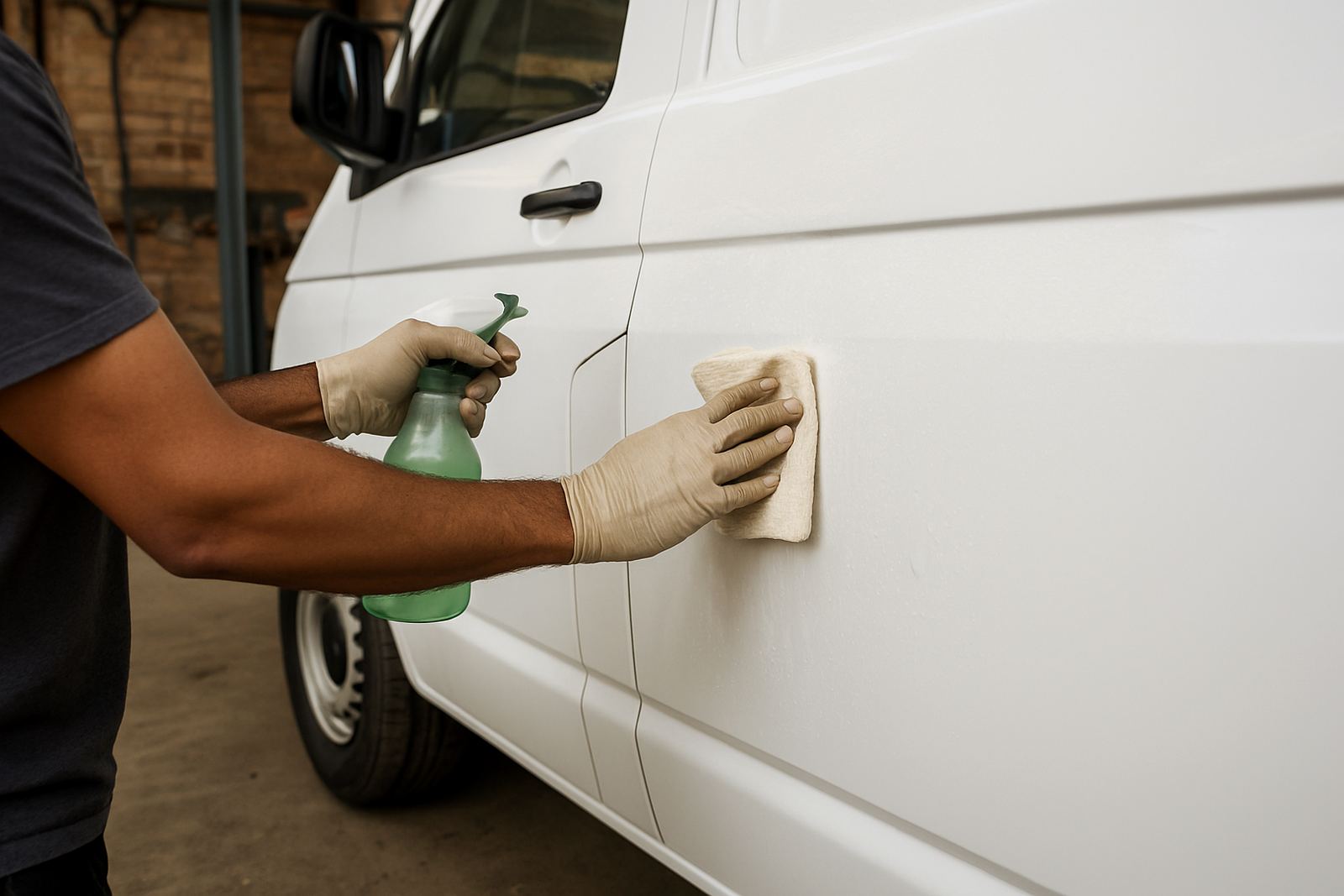
The first step is a thorough wash. This is not just soap and water. We remove loose dust, mud, insect marks and the greasy film that collects around door handles, fuel caps, mirrors and lower panels. On work vehicles, those areas are often the worst because hands, tools and fuel all leave residue.
After the wash, the surface is dried fully and then checked again by touch. A vehicle can look clean from a distance and still carry grime in panel edges and around badges. In the Free State wind, dust can settle back onto a vehicle within minutes, so timing matters and the surface must be kept clean right up to application.
- Wash the whole vehicle, including lower panels, handles and edges
- Rinse off detergent completely so no film remains
- Dry with clean cloths and compressed air where needed
- Do a final wipe before installation to remove fresh dust
Checking paint, rust and body damage before graphics
Vinyl does not hide bad paint or rust. If the clear coat is peeling, the panel is dented, or there is surface rust near the wheel arches, those faults need attention first. Wrap film can bond to a panel, but it cannot fix what is already failing underneath.
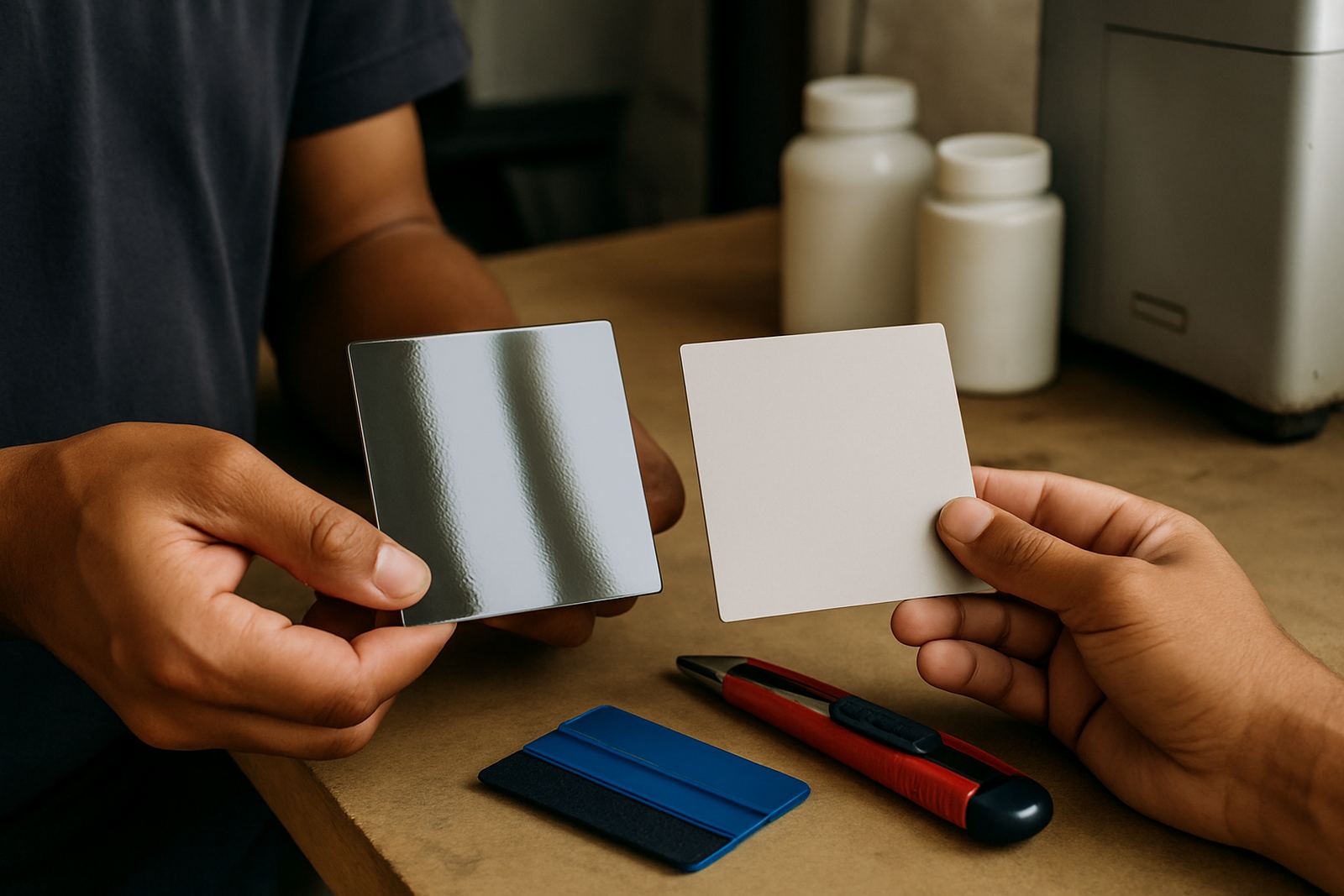
We look for chips, scratches, loose filler, old sticker glue and any sign of repainting. Repaired areas often need extra time before application, especially if the paint is still curing. If a panel is rough or weak, it is better to sort that out first than to fit graphics and hope for the best. That only leads to callbacks later.
On older bakkies used for deliveries between Bloemfontein and Welkom, we often see stone damage on bonnets and sills. Those areas need close inspection because the film must adhere properly around every edge and curve. A small lift point can become a big failure once the vehicle is back on the road.
Removing old decals, glue and surface contamination
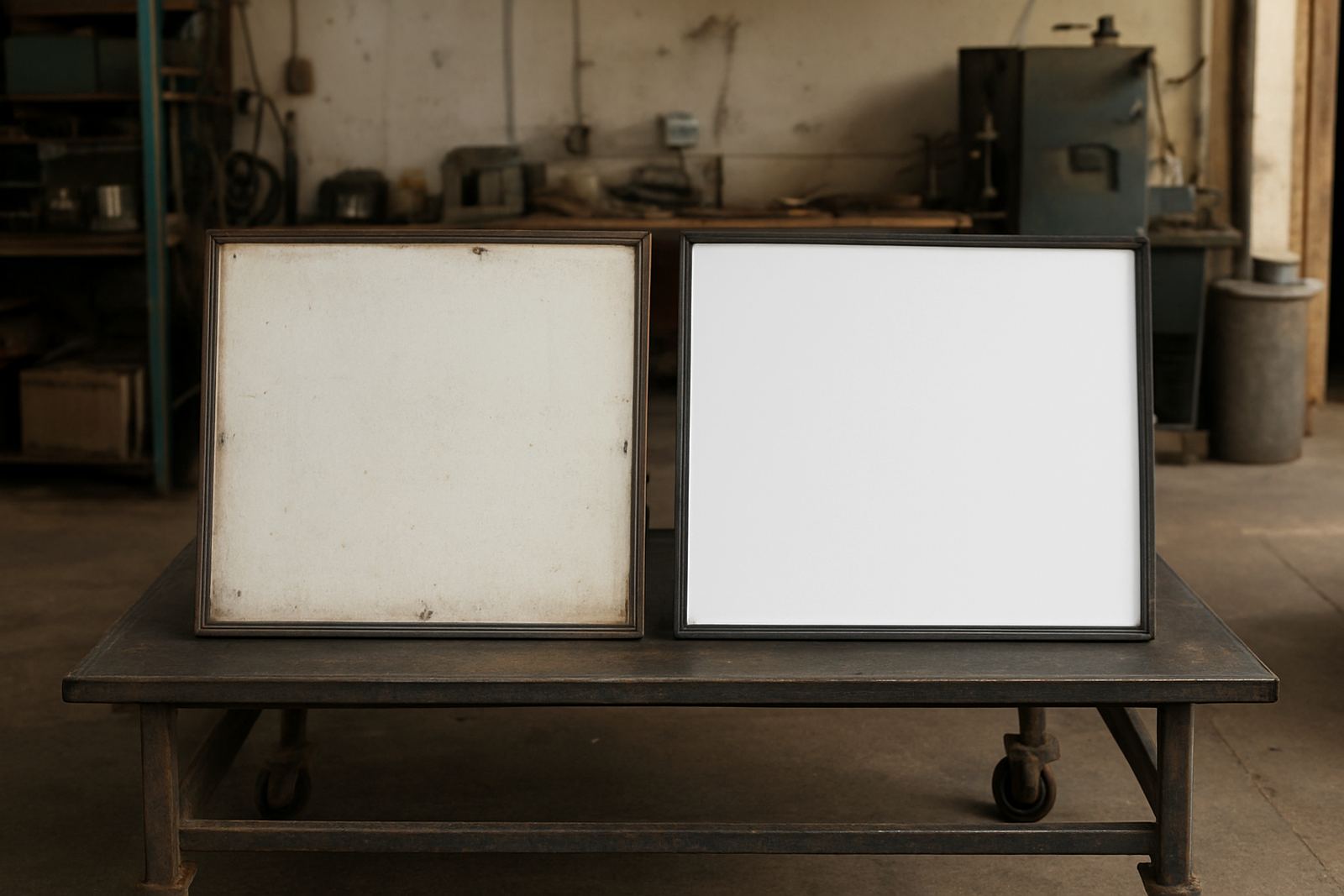
If the vehicle already has old branding, the old material must come off cleanly. Any remaining glue, ghosting or edge lift will show through the new finish or affect adhesion. This step takes patience because rushed removal can damage the paint and leave behind stubborn residue.
For debranding jobs, we also check for sun fade and colour difference. Once old graphics are removed, the paint underneath may be a different shade from the exposed panels. That is normal, but it needs to be discussed before the new artwork is applied so the finished look makes sense.
- Remove old vinyl slowly so paint is not lifted with it
- Clear adhesive with suitable cleaning products
- Check for colour fade under old lettering
- Inspect badges, trims and seams for trapped residue
Vehicles that have spent years in the sun, especially in open parking areas around Hamilton and central Bloemfontein, often need extra cleaning around the bonnet, roof and tailgate. It is slower work, but the finish lasts longer when the surface is properly cleared.
Drying, masking and temperature checks before application
Once a vehicle is clean and repaired, it has to be dry. Water left in panel seams, mirror bases or around trim can cause lifting later. We pay close attention to channels and edges because moisture often hides there after washing.
Temperature also matters. In very hot weather, film can become too soft too quickly. In cooler conditions, the adhesive may not tack properly. That is why prep includes checking the workspace and the panel temperature before the graphics go on. Load-shedding can also affect timing, especially if lights, compressors or heaters are needed, so the job is planned around that as well.
We mask off areas where needed and make sure the working surface stays free of dust, finger marks and overspray from nearby work. It sounds simple, but it is one of the main reasons a wrap looks neat from day one and stays neat.
A local example from a Bloemfontein fleet job
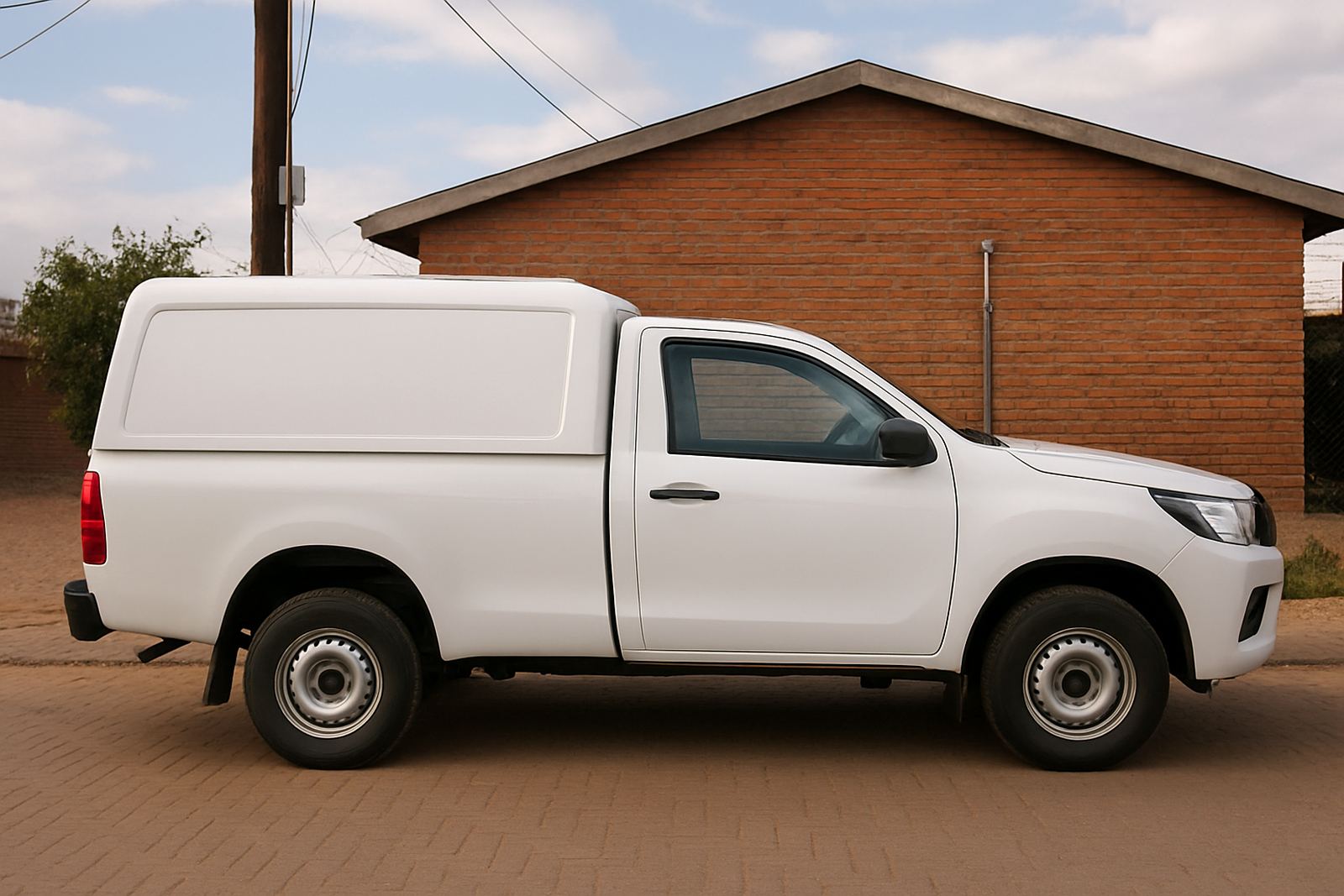
A common job in Bloemfontein is a small fleet of delivery vans used across Mangaung, Botshabelo and Thaba Nchu. The vehicles usually arrive with dust from gravel roads, old company stickers and a few stone chips near the front panels. Before any new graphics go on, each van is washed, dried and checked panel by panel.
On one recent fleet, the rear doors had old adhesive near the handle area and one side panel had a shallow dent from loading work. The adhesive was cleaned off, the dent was flagged for repair, and the new branding was only applied after the surface was ready. The result was cleaner edges, better bond and less chance of lifting around the handle area where hands and moisture collect.
That is the practical side of prep. It saves time later and helps the vehicle present properly at client sites, on the N8 or parked outside a customer office. For businesses that rely on image, that matters.
What to expect before your vehicle comes in for graphics
Good prep is not complicated, but it does need time and care. Before fitting, the vehicle should be clean, dry and free of loose paint, rust and old glue. If repairs are needed, they should be done first so the graphics go onto a stable surface. The fitter then works on a panel that is ready, not a panel that is still giving trouble.
If you are bringing in a bakkie, panel van, car or light delivery vehicle for branding in Bloemfontein, it helps to arrive with the bodywork as clean as possible. That shortens the prep stage and lets the installation start on the right footing. A properly prepared vehicle gives a better finish and longer service life, which is what most owners want anyway.
At Central Signs, we handle site surveys, artwork setup, print production and vehicle application, so the prep stage fits into the full job from start to finish. It is the part you do not always see, but it is usually the part that makes the biggest difference.
- Bring the vehicle washed if possible
- Tell us about any repainting, dents or rust
- Let us know if old decals still need removal
- Allow enough time for drying and repair checks