
Why lamination matters on busy sites
Graphic lamination is a clear protective layer applied over printed or cut graphics to improve surface performance. In Bloemfontein and across Mangaung, that matters because signs take a lot of sun, dust, wind and handling. A laminated surface is easier to wipe down, better protected from scratches, and less likely to show early wear around high traffic areas.
We use lamination where the print needs extra durability, where cleaning is part of the job, or where the graphic will be handled often during installation or day to day use. It is commonly used for shop displays, window graphics, wall branding, fleet markings, labels and exhibition panels. For outdoor work, the finish also helps reduce the effect of UV exposure, which is a real concern in the Free State.
Not every job needs the same finish. Some graphics call for a gloss look, others need matt to cut glare on shopfront glass, or textured protection where people touch the surface a lot. We match the finish to the application, not just to the artwork, so the end result suits the site and the use.
What is included in our lamination service
Our lamination service covers the finishing stage after printing or cutting, with attention to adhesion, alignment and edge stability. We work on flat panels, self-adhesive vinyl, decals, labels and many display graphics, depending on the material and intended use.
- Surface cleaning and dust control before lamination
- Choice of gloss, matt or specialty finish where suitable
- Cold lamination for most printed graphics
- Application of overlaminate to protect print surface
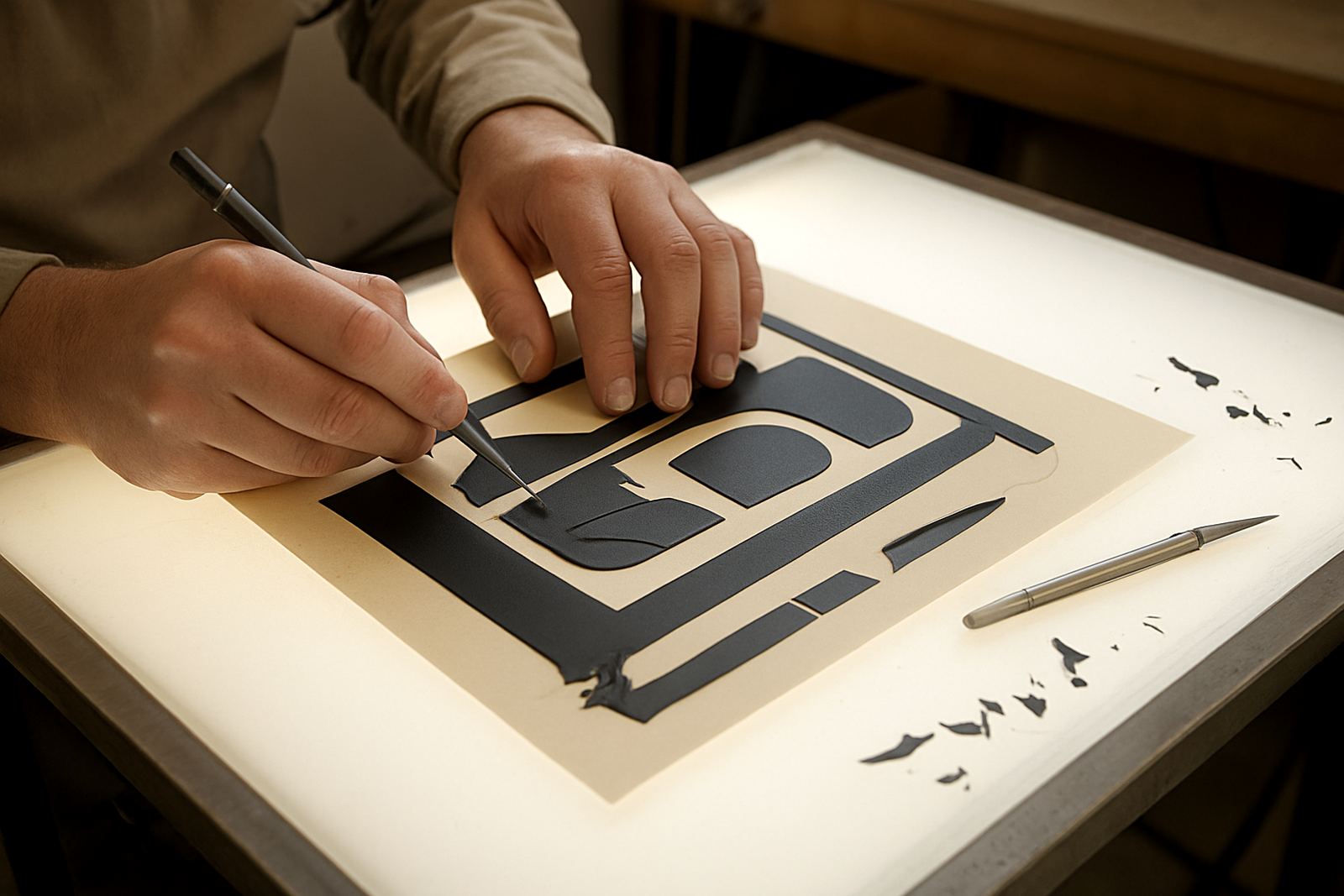
- Trimming, edge finishing and readying for installation
- Matching to indoor, outdoor or high-touch use
For vehicle graphics and signage used outdoors, we pay close attention to edge sealing and whether the print will face regular washing. If a graphic is going onto a door, floor or exposed window, we will advise on the right film and whether the surface needs extra preparation first. Sometimes a simple change in finish makes maintenance easier and extends service life quite a bit.
How we handle the lamination process
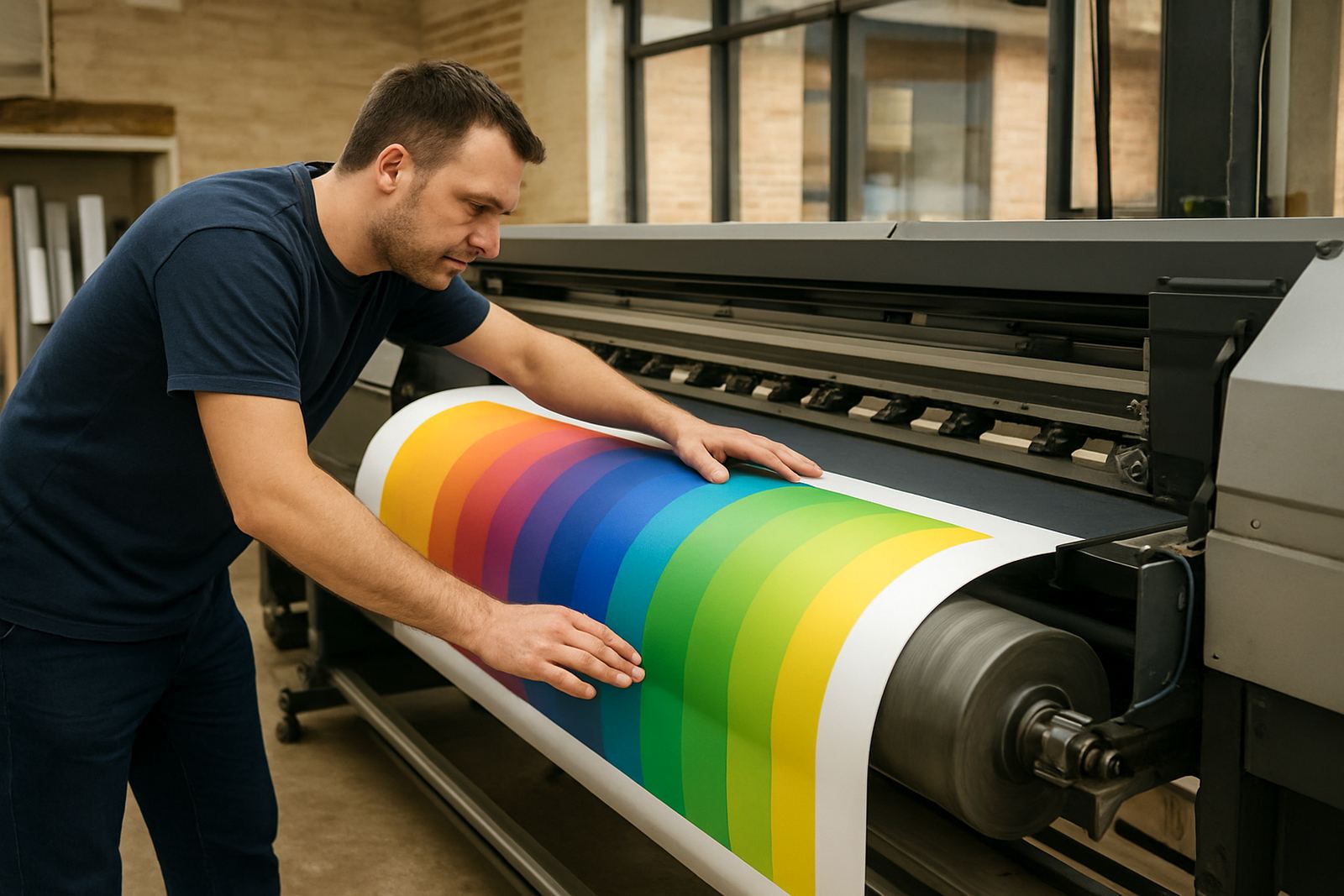
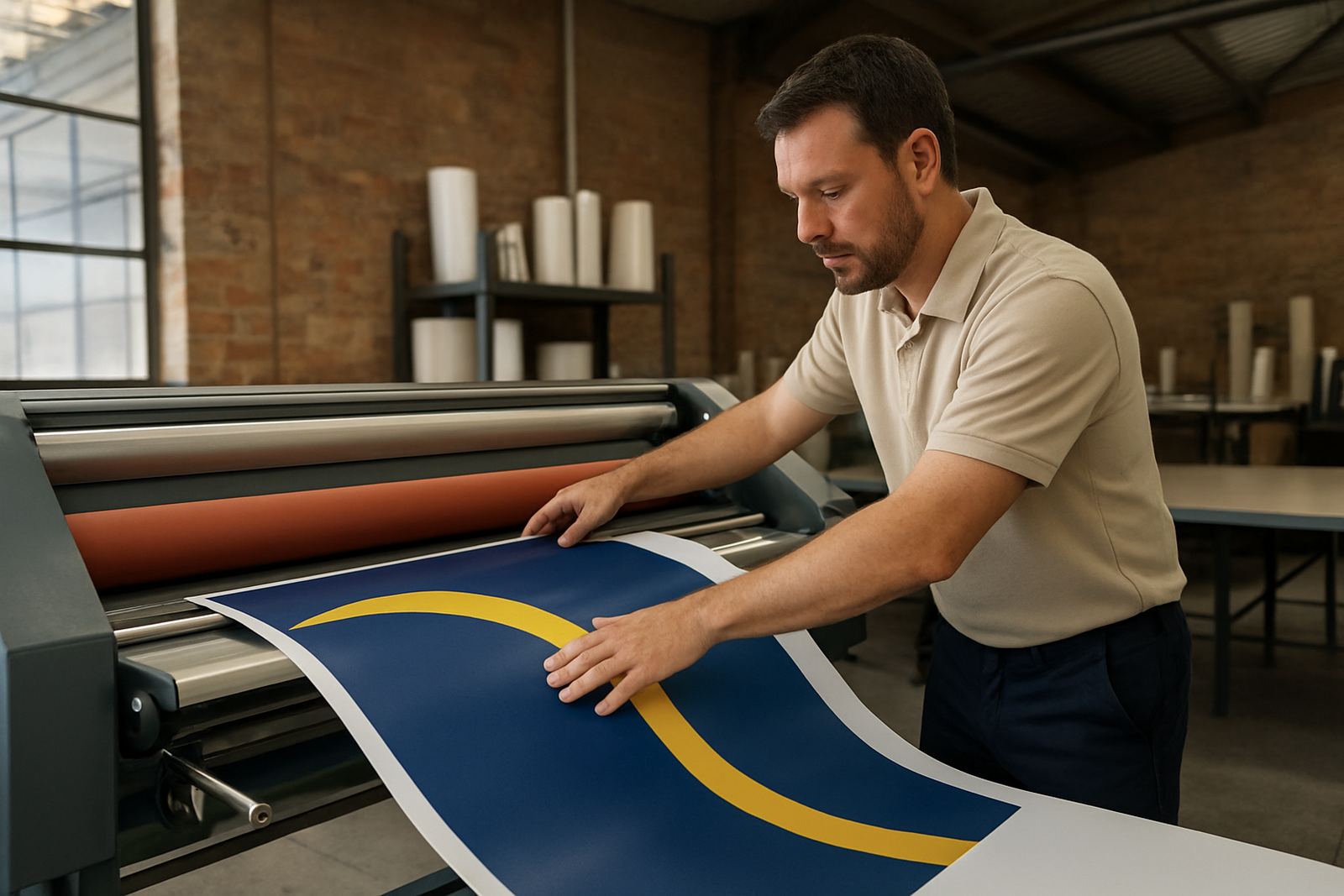
The process starts with confirming the material, the size and where the graphic will be installed. After that, we prepare the print or vinyl, remove dust and make sure the surface is ready for a clean bond. Lamination is then applied evenly to avoid silvering, bubbles or edge lift, especially on larger panels and long runs.
For larger signs or multiple panels, we plan the workflow so the finish stays consistent across the job. If the graphics are being installed on site in Bloemfontein, Hamilton or the surrounding areas, we can coordinate lamination with fabrication and fitting so there is less handling between stages. That helps keep the final surface cleaner and reduces damage before installation.
- Confirm material and usage requirements
- Check print cure time before overlaminating
- Clean and align the substrate or print
- Apply lamination under controlled conditions
- Trim to size and inspect edge finish
- Release for installation or collection
Where there is a need for precise fit, such as labels, contour-cut decals or window panels with cutouts, we allow for the extra handling time needed to keep the finish neat. It is better to take a little longer at this stage than to rush and end up with lifting edges later.
Finish options and where they work best
Different finishes suit different environments. A glossy finish gives a sharper, brighter look and can help colours pop on retail graphics and exhibition pieces. A matt finish reduces reflection, which is useful on glass, indoor wall signage and areas where lighting is strong. For some floors or high-touch surfaces, a more specialised protective layer is needed so the graphic can cope with scuffing and regular cleaning.
We often recommend lamination for graphics installed in the Free State sun, especially where there is long daytime exposure on shopfronts or vehicle panels. Coastal humidity is not the main issue in Bloemfontein, but dust and daily cleaning still matter, and many clients need their signs to stay presentable without constant replacement. A properly laminated graphic is easier to maintain and more forgiving during use.
- Gloss for bright retail work and promotional displays
- Matt for reduced glare on glass and interior branding
- Protective finish for labels, panels and handled graphics
- Extra consideration for floors, doors and outdoor exposure
We also look at whether the graphic needs slip resistance, extra abrasion protection, or a finish that will sit well next to other materials on the same site. The aim is always practical performance, not just appearance.
Turnaround times and project planning
Turnaround depends on the size of the job, how the print was produced, and whether the surfaces need extra preparation. Smaller lamination jobs can often move quickly once the print is dry and ready, while larger signage runs or multiple vinyl sets need more time for handling, trimming and quality checks.
For standard work, we aim to keep the process efficient without rushing the finish. If a client needs work for a launch, opening, or a scheduled installation in Mangaung, Botshabelo, Thaba Nchu, Welkom or Kroonstad, we plan backwards from the site date and sequence the job properly. That helps avoid last minute stress and gives enough time for inspection before delivery.
Where the work is part of a broader signage package, lamination is slotted in with artwork setup, print production, fabrication and installation. That is often the best way to manage lead times, because each stage affects the one after it. A clean schedule also helps if a site has access limits, municipal rules or after-hours fitting requirements.
Pricing approach for lamination work
Pricing is based on the material type, finish required, square meterage, complexity of the cut, and whether the job is for indoor or outdoor use. Larger continuous runs are usually more efficient than many small pieces, but detailed contour cutting or special handling can affect the final price. If the print needs additional curing time or special protection, that is also considered.
We quote on the actual job details, not on a rough guess. That means we look at the substrate, the ink or print type, the finish, the size, and the labour needed for handling and installation. For clients with regular signage needs, we can also plan maintenance visits and repeat production around existing assets, which often helps control cost over time.
Our focus is good value over the life of the graphic. A cheaper finish that fails early usually costs more in the end, especially on shopfronts and vehicles. If a sign will be exposed to harsh sun, repeated cleaning or public contact, we would rather specify the right laminate from the start. That saves repainting, reprinting and unnecessary call-backs.
Care, cleaning and maintenance intervals
Laminated graphics are easier to look after, but they still need sensible care. Regular dusting and gentle cleaning help keep the finish clear and prevent dirt from building up on edges. For most indoor work, a wipe with a soft cloth and mild cleaner is enough. For outdoor signage and vehicle graphics, regular washing with non-abrasive products is better than using strong solvents or rough pads.
Maintenance intervals depend on where the graphic sits and how hard it is worked. Shopfront windows in sunny positions, fleet panels used every day, and floor graphics in heavy foot traffic areas should be checked more often than indoor labels or display boards. As a guide, we suggest inspecting exposed graphics every 3 to 6 months, and more often if the surface is touched daily or washed frequently.
- Use mild cleaning products and soft cloths
- Avoid sharp scrapers and abrasive pads
- Check edges after washing or heavy handling
- Schedule periodic inspections for outdoor work
If a laminated graphic starts to show edge lift, scratches or wear, early attention usually keeps the problem small. For clients in Bloemfontein and nearby towns, we can assess whether the graphic needs touch-up, replacement or a full refresh, depending on the condition of the base material.
Key facts
| Finish options | Gloss, matt and selected specialty protective films |
|---|---|
| Typical use | Signs, labels, wall graphics, window graphics, vehicle decals and display panels |
| Best environments | Indoor retail, outdoor sun exposure, high-touch surfaces and handled graphics |
| Standard method | Cold lamination on suitable printed or cut materials |
| Typical maintenance check | Every 3 to 6 months for exposed graphics |
| Service area | Bloemfontein, Mangaung, Botshabelo, Thaba Nchu, Welkom and Kroonstad |