What we fit on site
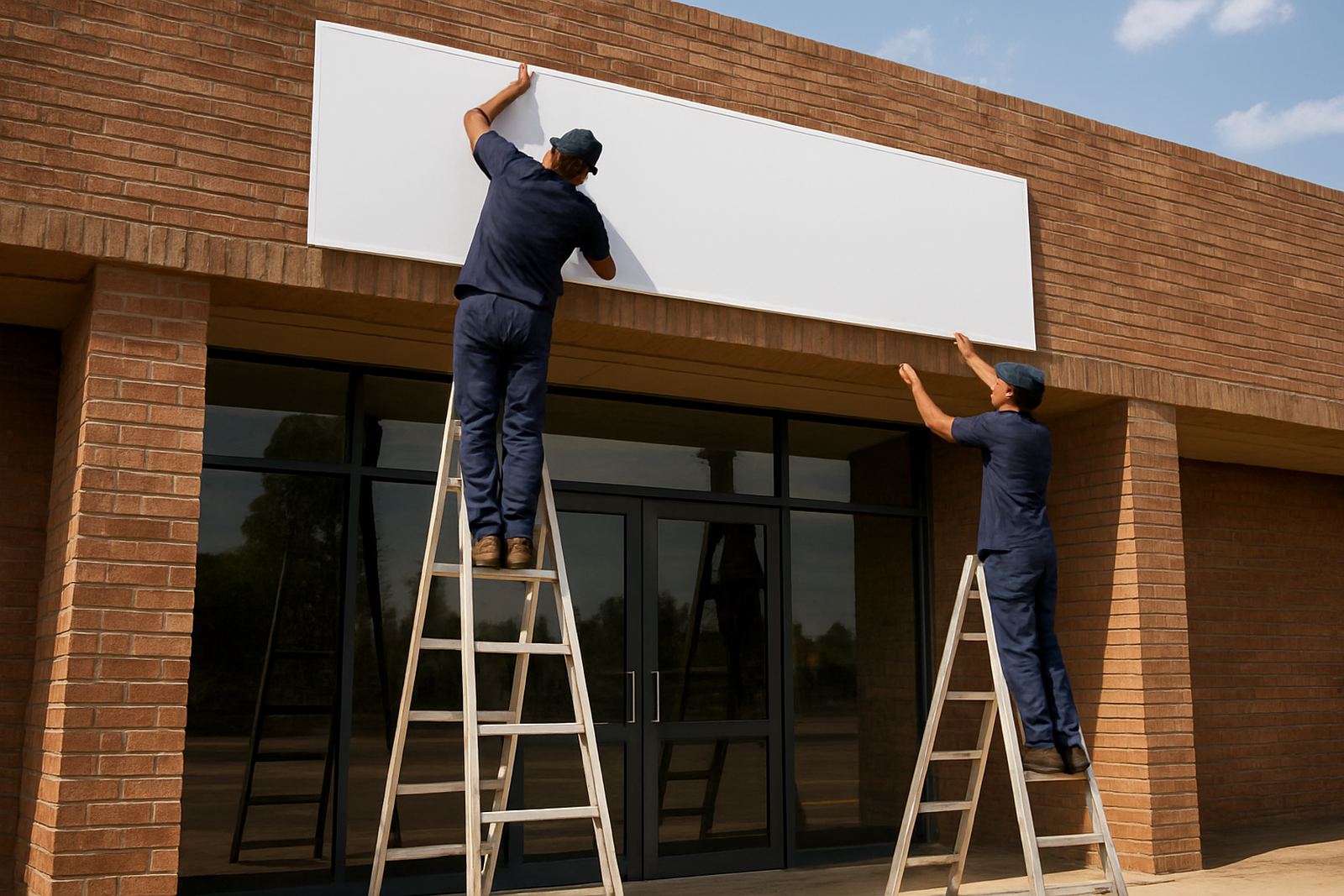
Our installation team fits shopfront signs, wall signs, window graphics, door graphics, floor decals, vehicle branding and interior display pieces. Each job starts with the actual surface, because a plaster wall, aluminium composite panel, glass window and corrugated cladding all need different fixings and prep. In Bloemfontein the heat, dust and strong sun can affect adhesion, so we choose materials and methods that suit the site instead of forcing one approach everywhere.
We work on single signs and full rollouts alike, from a small office logo to a multi-branch update across Mangaung, Botshabelo, Thaba Nchu, Welkom and Kroonstad. If your premises are in a busy retail centre, on a roadside facade or in an industrial yard, we plan for access, pedestrian movement and after-hours fitting where needed.
How the installation process runs
Good fitting starts before a ladder is unpacked. We confirm measurements, check the substrate, review artwork placement and look at fixing points, power access where needed and any restrictions from the landlord or building manager. For businesses in the central city or in shopping areas, we also consider opening hours so your customers are not blocked during trading time.
- Site survey and measurements
- Surface check for paint, moisture, rust or loose panels
- Marking out and level setting
- Drilling, anchoring or adhesive fitting as required
- Final alignment, clean-up and handover
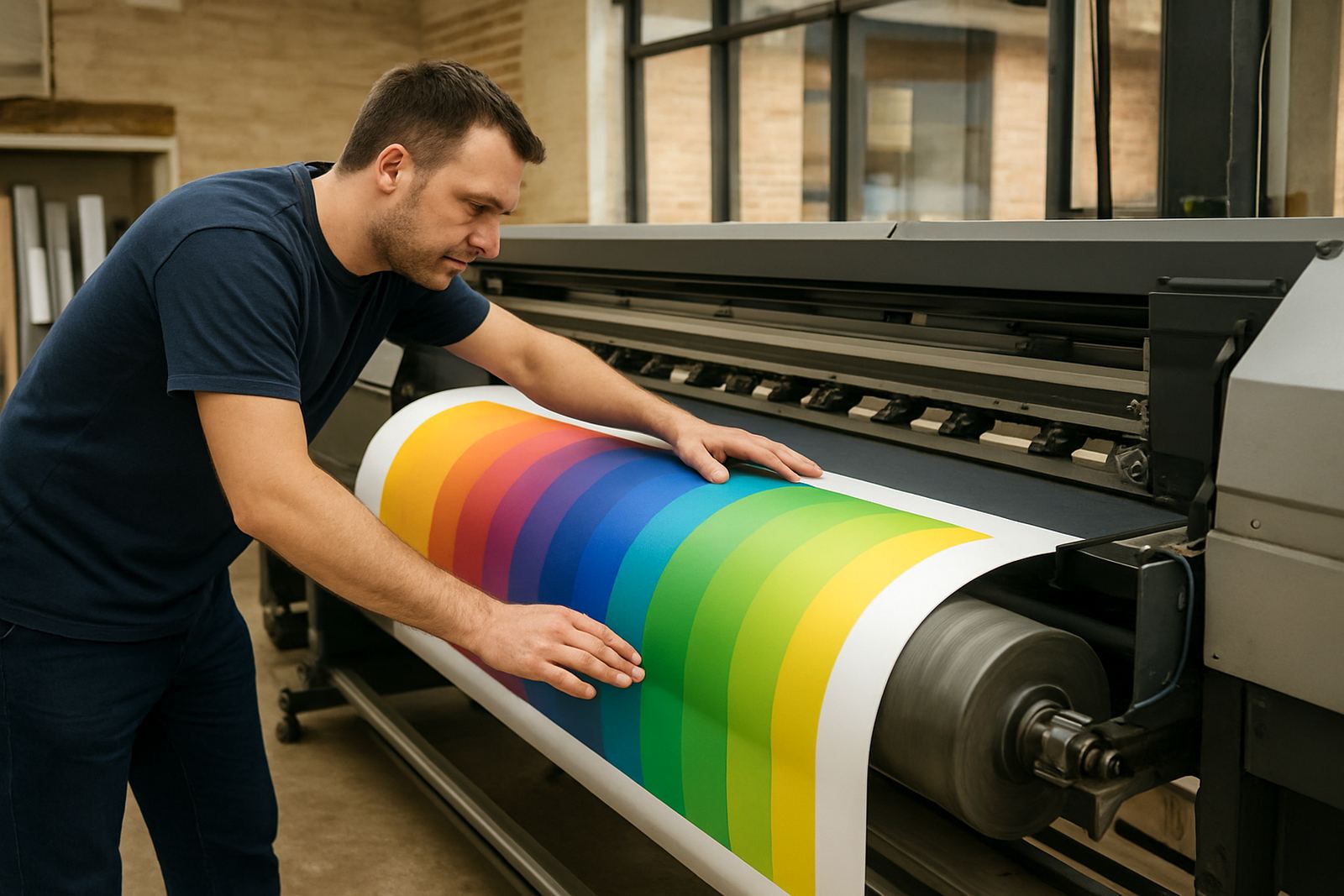
For vehicle graphics, the process includes panel cleaning, position marking, controlled application and a final inspection for bubbles, lift points and edge finish. Johan Smit leads the fitting side with the team, while Kagiso Moeketsi handles vehicle graphics applications that need extra care around curves, handles and trims.
Fixings, materials and site conditions
Different signs need different support. Light decals on glass may only need a clean surface and a squeegee application, while a large fascia board may need masonry anchors, stand-off mounts or sealed fixings. On exposed buildings and corners facing the Free State wind, we pay attention to uplift, expansion and water run-off. For coastal humidity you would choose differently, but here the main concerns are sun, dust and temperature swings, plus load-shedding if lighting needs to be connected later.
- Vinyl graphics on glass, metal and painted surfaces
- Aluminium composite and PVC sign panels
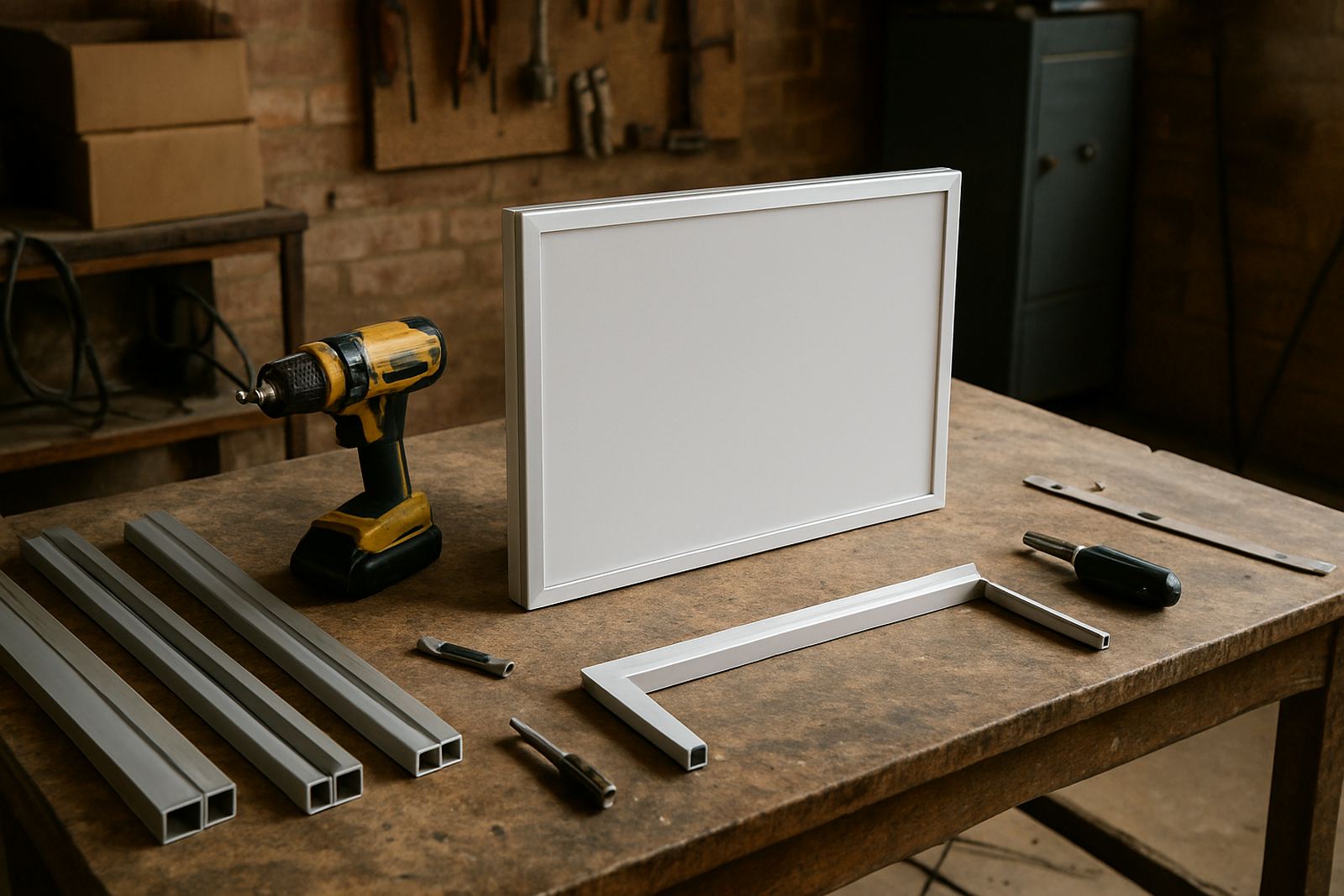
- Powder-coated frames and brackets where specified
- Weather-resistant sealants for external installs
- Anti-slip floor graphics for indoor promotion and wayfinding
When a sign sits near traffic or at height, we look at visibility from the road and the viewing distance. That helps us set letter size, edge clearance and mounting height properly, so the sign reads clearly instead of disappearing against the building.
Turnaround times that suit real trading hours
Turnaround depends on the size of the job, the site access and whether the sign is new, replacing an old one or part of a rebrand. Simple vinyl graphics can often be fitted quickly once production is complete. Bigger items like illuminated fascias, large wall graphics or multi-vehicle work may need scheduled installation over one or more visits. We always prefer to do the job once and do it properly rather than rush a fitting and leave a call-back for later, that wastes time and money.
For urgent retail openings, tenant handovers or event signage, we can stage the work so the most visible items are fitted first and the remainder follows. If your site requires out-of-hours access, we plan for that early, because malls, offices and industrial premises each have their own rules.
Pricing that stays clear and practical
Our pricing is based on the type of sign, the amount of prep needed, access conditions, height, fixing method and whether removal of an old sign is included. A ground-floor window decal is priced very differently from a high-level fascia that needs ladders, access equipment and extra safety planning. If your wall is uneven or the old branding must be stripped before the new install, that will also affect the final figure.
We quote in a straightforward way so you can see what is included. That normally covers labour, site preparation, standard fixings and installation time, with any special access or repair work listed separately. For multi-site clients in Bloemfontein, Brandfort or Winburg, we can group visits to reduce travel costs and keep the schedule tighter.
Keeping the sign looking right after fitting
A sign does not end at installation. Sun, dust and cleaning chemicals can shorten the life of graphics if they are not maintained correctly. We recommend simple checks at regular intervals, especially for signs facing west or mounted near roads where grime builds up faster. For businesses with high foot traffic, a short inspection every 3 to 6 months is usually enough to catch lifting edges, fading, cracked sealant or loose fixings before they become a bigger problem.
- Wipe graphics with mild soap and soft cloths only
- Avoid high-pressure washing on vinyl edges
- Check for rust, movement or water ingress after heavy rain
- Book maintenance visits for older signage and re-used frameworks
- Plan refurbishment when colours fade or branding changes
We also handle debranding and refurbishment where a tenant change or fresh identity is needed. In many cases the frame or board can be reused, which keeps costs down and reduces waste.
Key facts
| Service area | Bloemfontein, Mangaung, Botshabelo, Thaba Nchu, Welkom, Kroonstad, Brandfort and Winburg |
|---|---|
| Sign types | Shop signs, banners, decals, vehicle graphics, labels and exhibition displays |
| Installation surfaces | Walls, windows, doors, floors, vehicles, shopfronts and interior panels |
| Typical methods | Anchoring, adhesive mounting, stand-offs, sealing and vinyl application |
| Turnaround | From same day for simple jobs to phased scheduling for larger installs |
| Maintenance interval | Inspection every 3 to 6 months, sooner for exposed or high-traffic sites |