1. Start With the Label’s Job and Location
Before anything else, tell us what the label must do. Is it for product branding, asset tracking, warning notices, shelved stock, packaging or outdoor identification? Labels that face sun, dust, cleaning chemicals or handling need different materials and adhesives from labels used on boxes or indoor files. In Bloemfontein and the wider Free State, temperature swings and dry dust can affect how well a label stays put, so the application area matters.
Also mention where the labels will be applied. Flat indoor surfaces are simple, but curved bottles, powder-coated metal, textured plastic and painted walls all need different prep and material choices. If the labels are for a site in Mangaung, Botshabelo, Thaba Nchu, Welkom or Kroonstad, add any local conditions too, like outdoor exposure, frequent washing or coastal-style humidity from stored goods arriving from other provinces.
2. Give Exact Sizes, Quantities and Shape Details
Sizes should be measured in millimetres where possible. If you only know the space available, send the full panel size and say how much room the label must fit into. A small difference can change the layout, especially when there is a logo, fine text or a barcode involved. If the label must fit inside a recess or around a curve, say so upfront.
- Length and width in mm
- Quantity needed now and later repeats
- Shape: square, round, oval, die-cut or custom
- Any corner radius or cut-out requirement
- Spacing between labels if they are supplied on sheets
If you need multiple sizes in one order, list each one separately. That avoids confusion during quoting and print setup. It also helps us plan cutting and packing so the finished labels arrive sorted, not mixed up.
3. Send Artwork That Can Be Printed Cleanly
The best artwork is clean, clear and editable. If you have a logo or product name, send the original file where possible. Vector artwork is best for sharp edges, especially on small labels. If you only have a photo or a low-resolution image, send it anyway and we can advise what can be improved. Logo redraws are often needed when artwork has been taken from old packaging or a blurry screenshot.
Include the wording exactly as it must appear. Check spelling, product codes, ingredients, warning text and regulatory notes before sending, because labels are usually printed exactly as approved. If there are colour references, share them clearly. A sample photo, existing label or printed proof helps a lot when brand colour needs to stay consistent across reorders.
- Logo files, product names and taglines
- Font preferences, if any
- Any required legal text or compliance notes
- Image files, icons or line drawings
- Previous label samples for matching
4. Tell Us About Material, Finish and Adhesive
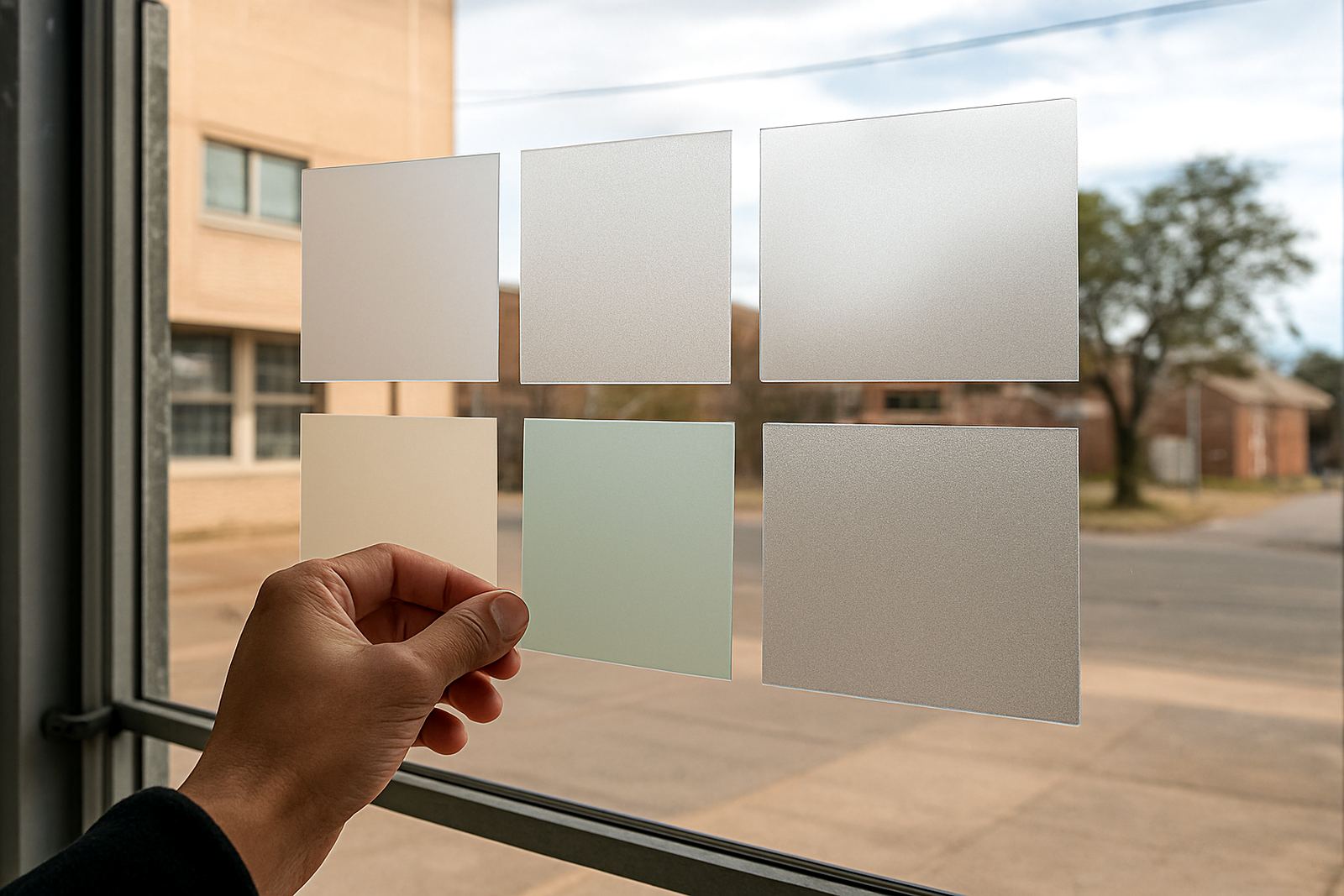
Label performance depends heavily on the material and adhesive. Some labels must be removable, others must bond permanently. Some need a glossy finish for retail appeal, while others work better in matte to reduce glare under shop lighting. If the labels will be exposed to sunlight, moisture or regular wiping, say so. That helps us recommend a finish that lasts longer and still reads clearly.
Common choices include paper labels for dry indoor use, synthetic films for tougher handling, and clear or white stocks depending on the look you want. If the labels must survive refrigeration, freezer use, powdery surfaces or vehicle-related handling, mention that too. The wrong adhesive can lift at the edges or fail after a few days, which means more cost later. Better to get that part right first time.
If you are unsure, tell us what the label is stuck onto and how it will be used. We can then advise on the most suitable option for the job and your budget.
5. Approve a Proof Before Production Starts
Once the order details are in, a proof helps confirm that everything is correct before we print. Check the layout, spelling, colours, dimensions and cutting line carefully. If the labels carry serial numbers, batch numbers or variable data, make sure the numbering sequence is right. A quick proof check can save a costly reprint.
It is also useful to confirm any special finishing. If you want labels supplied on sheets, rolls or individual cuts, say so during approval. The same applies to orientation, especially when labels must feed into an applicator or line up with a container seam. If your team will apply them by hand, we can keep the format practical and easy to peel.
- Check spelling and product codes
- Confirm size and cut shape
- Approve colour and finish
- Confirm pack format: sheets, rolls or singles
- Check delivery area and timing
6. Plan for Reorders, Storage and On-Site Use
If you order labels regularly, think ahead to reorders. Keep the final approved artwork, the exact size and the material choice on file. That makes repeat production faster and helps keep your branding consistent across different batches. It also avoids having to measure old samples again when stock runs low.
Let us know how the labels will be stored and used. Labels kept in hot storerooms, near open windows or in busy loading areas may need more protection from dust and heat. If they are applied in a workshop, retail store, warehouse or at a client site, mention the conditions so we can advise on handling and installation. For businesses around Bloemfontein, Mangaung and surrounding towns, this practical detail can make a proper difference to how long the labels stay neat.
When you are ready, send the details through the enquiry form on our contact page. The clearer the information, the quicker we can quote and move into production with less back-and-forth.