
Fleet branding that works when the vehicle is working
Fleet branding is not only about looking tidy in the parking bay. It has to hold up to dust on gravel roads, sun on long Free State runs, frequent washing and the kind of contact that comes with loading, unloading and tight parking in town. For sales teams, technicians, delivery vehicles and mixed service fleets, the aim is simple: clear identification, quick readability and a finish that still looks good after months of use.
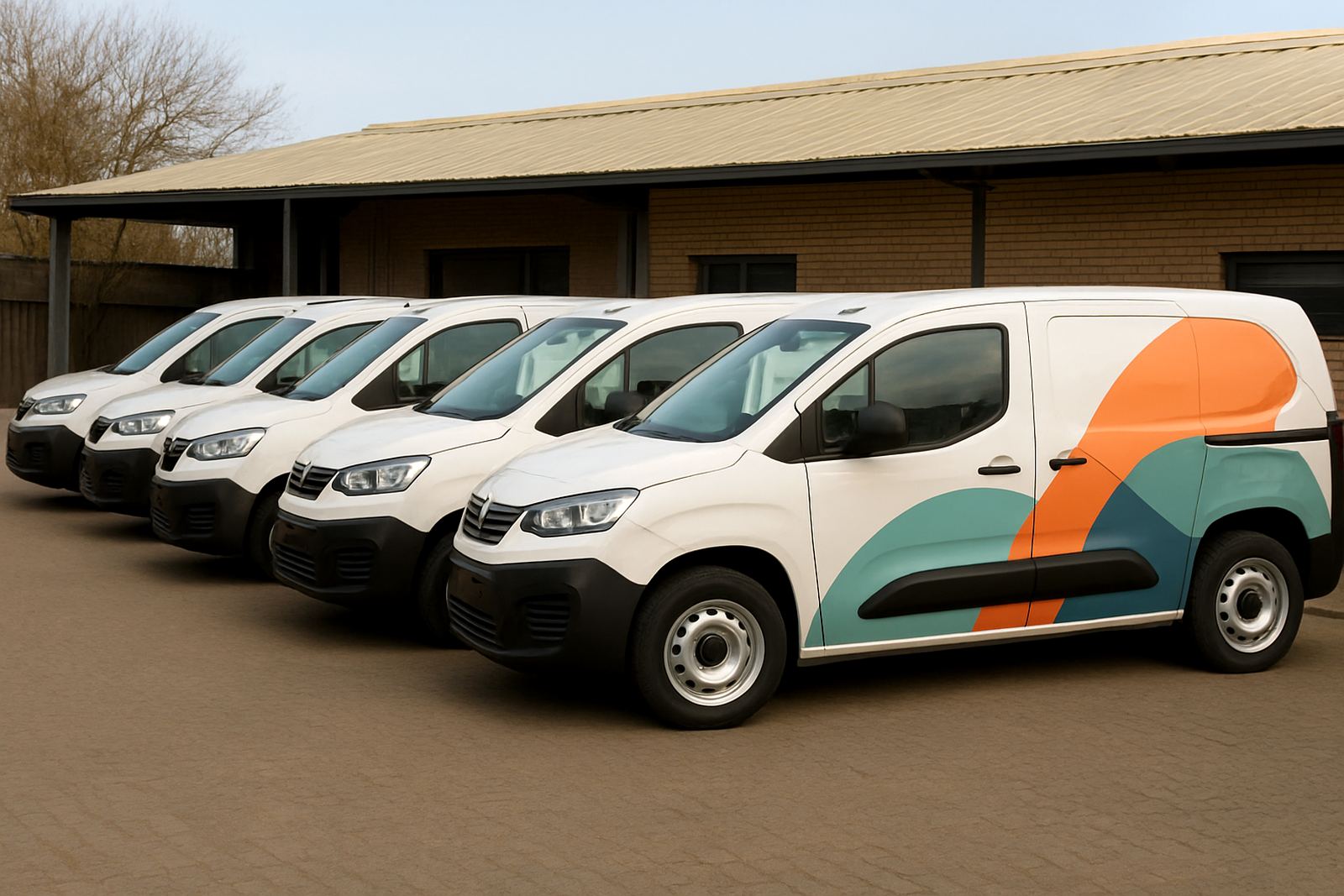
We work from Hamilton in Bloemfontein and handle fleets across Mangaung, Botshabelo, Thaba Nchu, Welkom and Kroonstad. That includes one vehicle or a full set of bakkies, panel vans, cars, trailers and light trucks. A well planned fleet gives the same look across the group while still fitting different body shapes and door sizes.
Most fleet branding jobs start with a site survey or vehicle check, then a layout plan based on the make and model, body curves, handles, rub rails and any existing stickers that need removal. If the vehicle is leased or shared between departments, we also look at debranding and replacement schedules so the unit can go back to work with minimal downtime.
Typical vehicle equipment and graphic set-ups
The right setup depends on how the vehicle is used. A sales car does not need the same coverage as a technician’s bakkie, and a delivery van needs different information from a service trailer. We usually work with a mix of cut vinyl, printed vinyl, laminate and, where needed, reflective material for visibility after dark.
- Door logos and company name for quick identification in traffic and at client premises
- Rear panel branding for drivers stuck in queues or parking at loading areas
- Side striping or full side panels for larger vans and bakkies
- Service wording, contact details and web address where space allows
- Unit numbers, branch names and department codes for fleet control
- Printed labels for equipment cases, trailers and support vehicles
For many fleets, simple door branding and rear graphics are enough. Others need full wrap coverage on the sides, bonnet and tailgate, especially where the vehicle spends the day on the road. We cut to fit around mirrors, handles, fuel caps and window lines so the layout feels balanced and does not interfere with access.
How to plan the layout so it reads at speed
People see a moving vehicle for only a few seconds, so the design has to be short and direct. Start with the name, then the service and then the contact detail, if there is room. Long paragraphs do not help on the road. A clear logo, one strong line and a readable number or web address usually does the job better.
Colour contrast matters as much as the artwork itself. Dark vinyl on a dark vehicle, or pale text on a white panel in full sun, can disappear from a distance. We often recommend larger lettering for rear doors and slightly smaller side panels where there is more viewing time. On silver or white fleets, black, navy and red generally hold well. On darker vehicles, white or bright corporate colours usually work better.
If your team works across Bloemfontein, Botshabelo and Welkom, it can help to use one master layout and then adapt branch names or unit numbers as needed. That keeps the fleet recognisable while still giving you control over different departments. We also check that the design does not clash with number plates, manufacturer badges or safety markings.
Common mistakes that cost money later
The biggest mistake is trying to fit too much onto one vehicle. When the copy is crowded, it becomes hard to read and the whole fleet looks untidy. Another common problem is using a graphic that was designed for a screen but never adjusted for the actual panels on the vehicle. Curves, wheel arches and door gaps all affect the final look.
We also see jobs where the surface was not prepared properly. Dust, wax, old adhesive and uneven paint can shorten the life of vinyl. On vehicles that have been resprayed or repaired, we check adhesion carefully before fitting. In the Free State sun, poor prep shows up quickly. On coastal jobs elsewhere it is humidity, on our side it is heat, dust and repeated washing that causes trouble.
- Using small text that drivers behind you cannot read
- Placing logos across moving parts like sliding doors without planning the joins
- Choosing colours with too little contrast
- Ignoring existing damage, rust or old adhesive marks
- Fitting graphics without allowing proper curing time after paintwork
Load-shedding can also affect production schedules, so it helps to plan fleets in batches rather than one vehicle at a time. That way print runs, cutting and fitting can be coordinated with less delay.
Budget ranges for fleet branding in Rand
Fleet branding can be kept practical, with costs based on coverage, vehicle size and the number of units in the set. A basic door logo and rear panel package is the most economical starting point. Partial side graphics or a more detailed layout moves the price up, while full vehicle wraps sit at the top end because of the material, labour and fitting time involved.
As a working guide, smaller branding jobs for cars and light vehicles often start from about R850 to R2 500 per vehicle. Mid-range bakkie and van packages usually fall between R2 500 and R6 500 depending on size and artwork. Full coverage or multi-panel fleet work can range from R7 000 to R18 000 or more per vehicle, especially where there are complex curves, removal of old graphics or reflective elements. These are practical ranges, not a fixed quote, because each fleet differs.
If you are budgeting for a mixed fleet, it is often better to brand the high-visibility vehicles first, then roll out the rest in phases. Sales vehicles, front-line service units and delivery vans usually give the fastest return because they are seen most often. We can also help you compare a simple door set against a larger side package so you can decide where the money has the most impact.
Installation, maintenance and keeping the fleet presentable
Good fleet branding should be easy to live with. That means the graphics must survive routine washing, parking in the sun and daily use without lifting at the corners. After fitting, we advise clients on the first wash, curing time and what to avoid in the first few days. Pressure washing too soon, harsh scrubbing and petrol spills around filler caps can shorten the life of vinyl.
For service fleets and delivery units, maintenance visits can be useful when a vehicle is repaired, repainted or debranded for resale. We can remove old graphics, replace damaged panels and refresh only the affected sections instead of redoing the whole unit. That keeps downtime lower and helps the fleet stay consistent across different branch vehicles.
- Use the same layout standard across all new units
- Keep replacement graphics on file for future repairs
- Schedule fitting when the vehicle can be off the road for a short, planned window
- Check door seals, window tints and badges before final artwork is approved
When the branding is done properly, the vehicle does more than carry people and parcels. It carries your name clearly from Bloemfontein to Botshabelo, Thaba Nchu, Welkom and Kroonstad every day.