What aluminium signs are and why they last
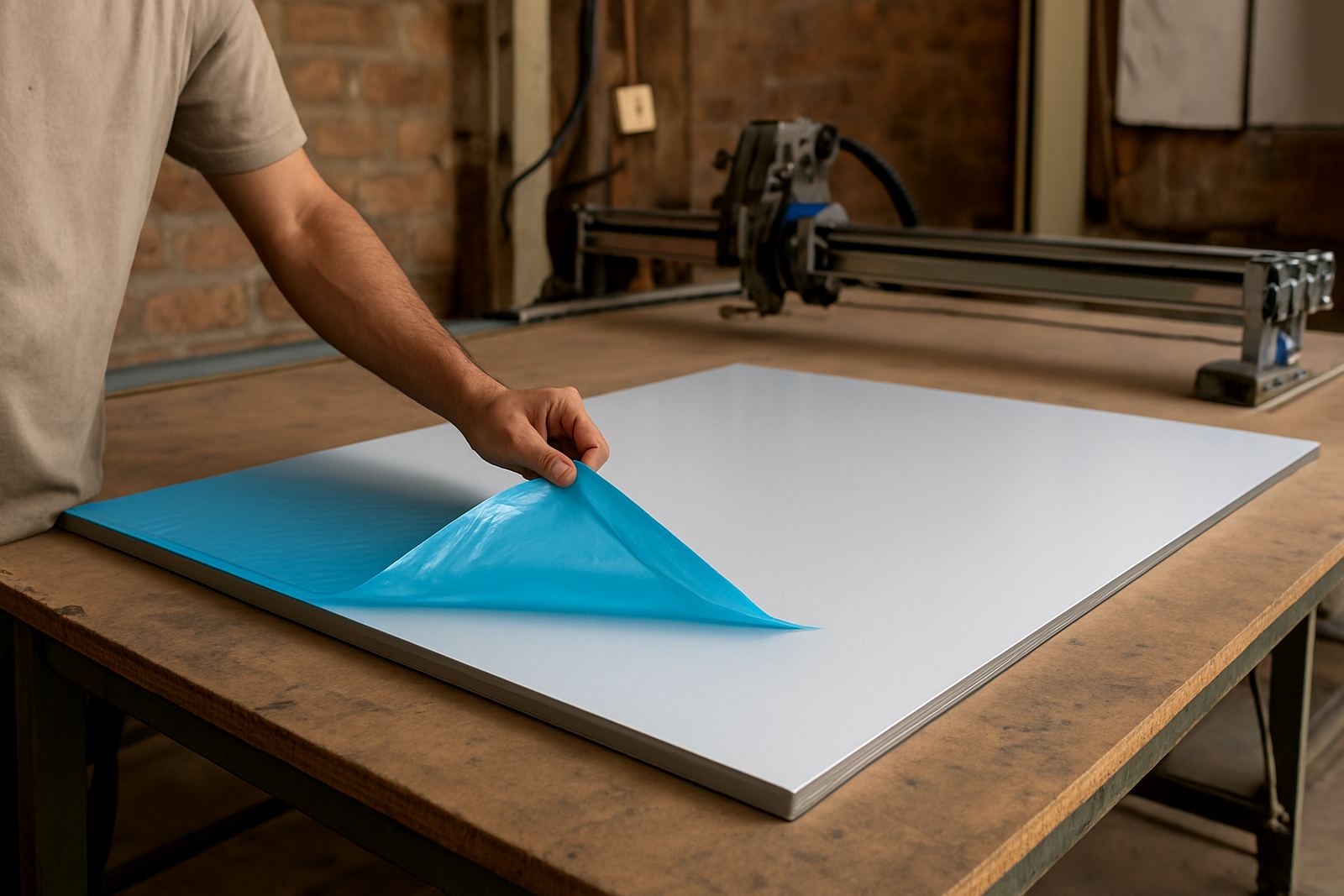
Aluminium signs are flat rigid panels made from aluminium sheet or aluminium composite board, depending on the job. They are used for direction boards, company boards, safety notices, estate markers, clinic signage and wall-mounted branding where a neat finish and long service life matter.
Because aluminium does not rust like mild steel, it performs well in Free State weather, especially on outdoor walls, gates and boundary fences. It also handles heat and sunlight better than many light plastics, so the panel stays firm and the graphics remain easier to read. For sites with dust, strong wind or frequent cleaning, aluminium is a sensible choice.
We make these signs to suit the location and use case, whether the panel needs to be seen from the road, fixed inside a reception, or mounted at a loading bay. In most cases the sign can be printed, vinyl applied or combined with cut lettering for a sharper result.
Sizes, finishes and mounting options
Aluminium signs are ordered to size, which makes them suitable for both small plaques and larger site boards. Common sizes include 300 x 200 mm, 600 x 450 mm, 900 x 600 mm and 1200 x 900 mm, but larger custom panels are also possible. For longer runs of information, panels can be made in sections for easier transport and fixing.
Finish options depend on where the sign will be viewed and how much detail it must carry. A smooth face suits printed graphics, while a brushed or plain panel can be used for a more understated look. Where extra protection is needed, the face can be laminated to help with UV exposure and cleaning. For a sharper edge or heavier duty use, we can fabricate the panel with folded returns or a frame.
- Flat aluminium panel for wall or fence mounting
- Aluminium composite board for a lighter panel with a neat face
- Cut vinyl lettering for simple text and directional signs
- Full colour print with protective laminate
- Drilled holes, stand-offs or bracket fixing where required
Where aluminium signs suit best
These signs work well anywhere you need a rigid, low-maintenance board that can cope with daily use. Shops often use them for fascia signs, opening notices and branded panels above entrances. Industrial yards use them for gate signs, PPE notices, loading instructions and wayfinding. Offices and medical rooms use them for room names, directories and safety information.
Aluminium is also suitable for exposed sites in and around Bloemfontein, Botshabelo, Thaba Nchu, Welkom and Kroonstad where signs can be affected by dust, vibration and heat. If the sign will face coastal moisture this is less of a concern in our region, but humidity and cleaning chemicals can still affect poor-grade materials. A properly made aluminium sign gives better value over time than a flimsy board that needs replacing every few months.
- Shopfronts and business premises
- Construction sites and access control points
- Factories, warehouses and workshops
- Schools, churches and clinics
- Parking areas, entrances and directional routes
Installation, fixings and power requirements
Most aluminium signs do not need power at all, which keeps installation simple and cost-effective. They can be screwed onto masonry, mounted on timber, fixed to steel railings, or installed with stand-offs for a more raised look. Where the panel is part of a larger sign system, we can prepare it for bracket fixing or frame mounting on site.
If the sign forms part of a lit fascia or includes another powered element, the aluminium panel itself still remains a passive face. Any electrical work is handled separately and should be planned with the site conditions in mind, especially where load-shedding backup power, cable routes or weather protection must be considered. For outdoor fixing we allow for wind, uneven walls and safe access, because a sign that is level in the workshop but not on the wall is of little use.
We recommend a site survey for larger panels or any job where access is awkward, the wall is not sound, or there are municipal rules to follow. That helps avoid loose fixings, poor alignment and water ingress around drill points.
Care, cleaning and ongoing servicing
Aluminium signs are easy to maintain. A soft cloth, clean water and a mild soap are usually enough for routine cleaning. Avoid coarse scourers, harsh solvents and wire brushes, as they can scratch the face or lift a printed layer over time. If the panel is near road dust, a quarterly wipe down is usually enough to keep it readable.
For signs fitted outdoors, we can inspect fixings, check for movement and repair damaged vinyl or faded print. Where a site has been repainted, renamed or taken over, the existing aluminium panel may be refurbished rather than replaced. That can save time and Rand, especially for multi-site clients who need several boards updated at once.
- Check for loose screws or lifted corners after strong wind
- Wash with mild soap and water, then rinse clean
- Re-seal any damaged edges or drilled points if moisture gets in
- Arrange maintenance visits for large sites or high mounted signs
What to check before you order
Before ordering an aluminium sign, it helps to confirm the final size, fixing method and whether the sign will be viewed close up or from a distance. A road-facing sign needs bolder text and stronger contrast than a reception plaque. You should also know if the panel must match existing branding, if it needs a gloss or matt finish, and whether the artwork should include logos, arrows, operating hours or compliance wording.
Please also confirm the mounting surface, because brick, steel, glass and painted walls all need different fixings. If the sign is replacing an old board, send clear measurements and a photo of the current location. That makes artwork setup and fabrication cleaner, and it avoids rework later on. It is also wise to decide upfront whether you want a one-off panel or a set of matching signs across several branches.
For Bloemfontein and surrounding areas, Central Signs can help with artwork setup, logo redraws, print production, fabrication and installation. We also support debranding and refurbishment work where an older panel needs new wording or fresh graphics without replacing the whole unit.
Key facts
| Material | Aluminium sheet or aluminium composite board |
|---|---|
| Typical sizes | 300 x 200 mm to 1200 x 900 mm and custom |
| Finish options | Printed, laminated, brushed, plain, gloss or matt |
| Fixing methods | Screws, brackets, stand-offs or frame mounting |
| Use areas | Indoor and outdoor, wall, fence, gate and fascia |
| Services | Site surveys, fabrication, installation, refurbishment and maintenance |