Start with the clearest logo file you have
The best starting point is a vector logo in PDF, EPS or AI format. These files keep edges sharp at any size, whether we are cutting vinyl for a shop window in Bloemfontein or enlarging a logo for a vehicle tailgate in Mangaung. If your artwork is only available as a photo or a screenshot, we can often still work with it, but there may be extra artwork setup needed.
For printed signage, a high resolution PNG or PDF can also work if the image is clean and large enough. Small logos pulled from WhatsApp or from a website are usually not suitable because they become blurry when enlarged. If you are not sure what you have, send the original file and we will check it before production starts.
- Best: PDF, EPS or AI with editable vector artwork
- Good for print: high resolution PDF or PNG
- Avoid: screenshots, compressed social media images and tiny copied logos
Send the size of the actual sign, not just the wall
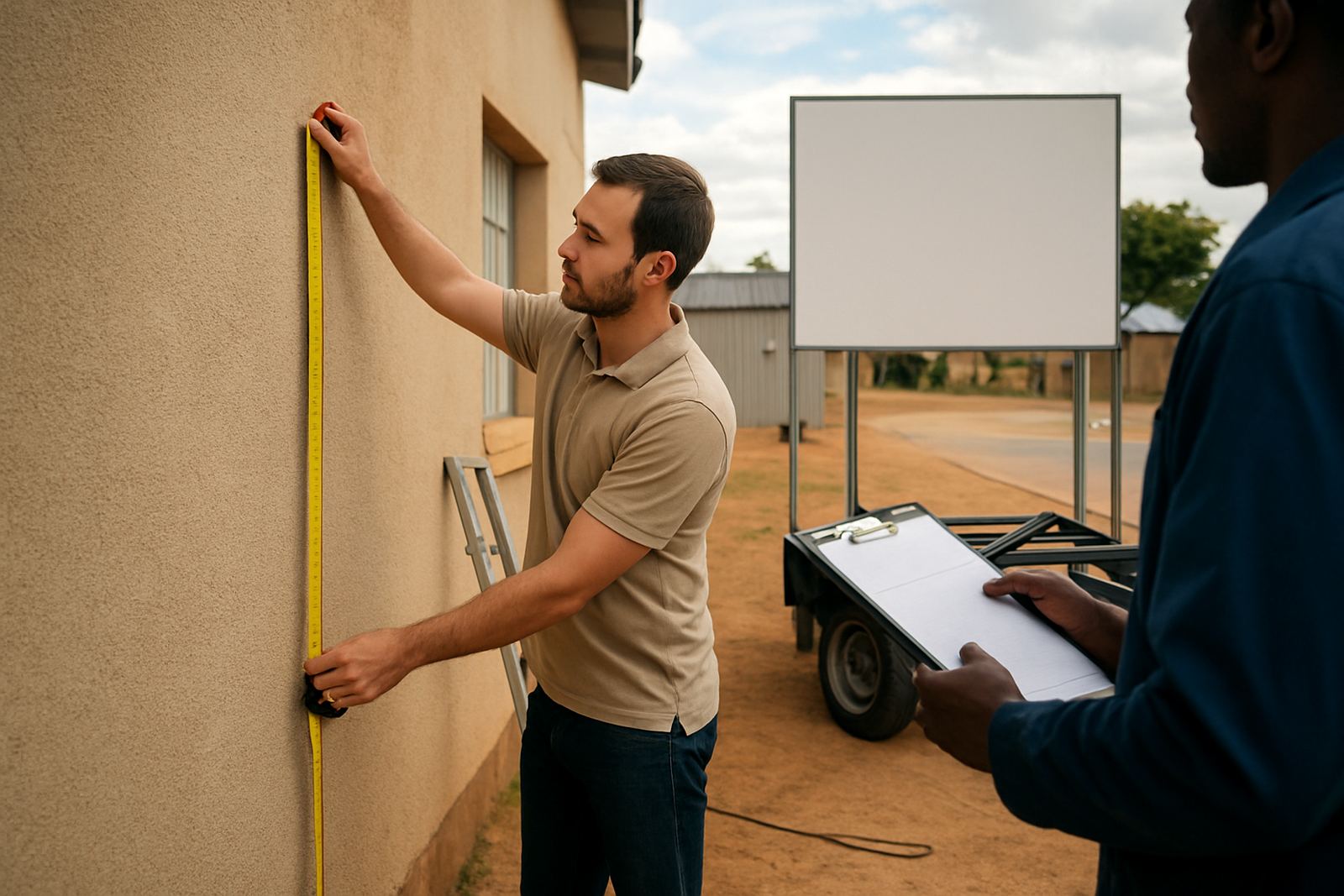
We need the finished size in millimetres or metres so the layout, vinyl joins and fixing points can be planned properly. A sign that looks fine on screen can become awkward on site if the measurements are missing or guessed. Please measure the full area, including the space around doors, windows, lights and any uneven surfaces.
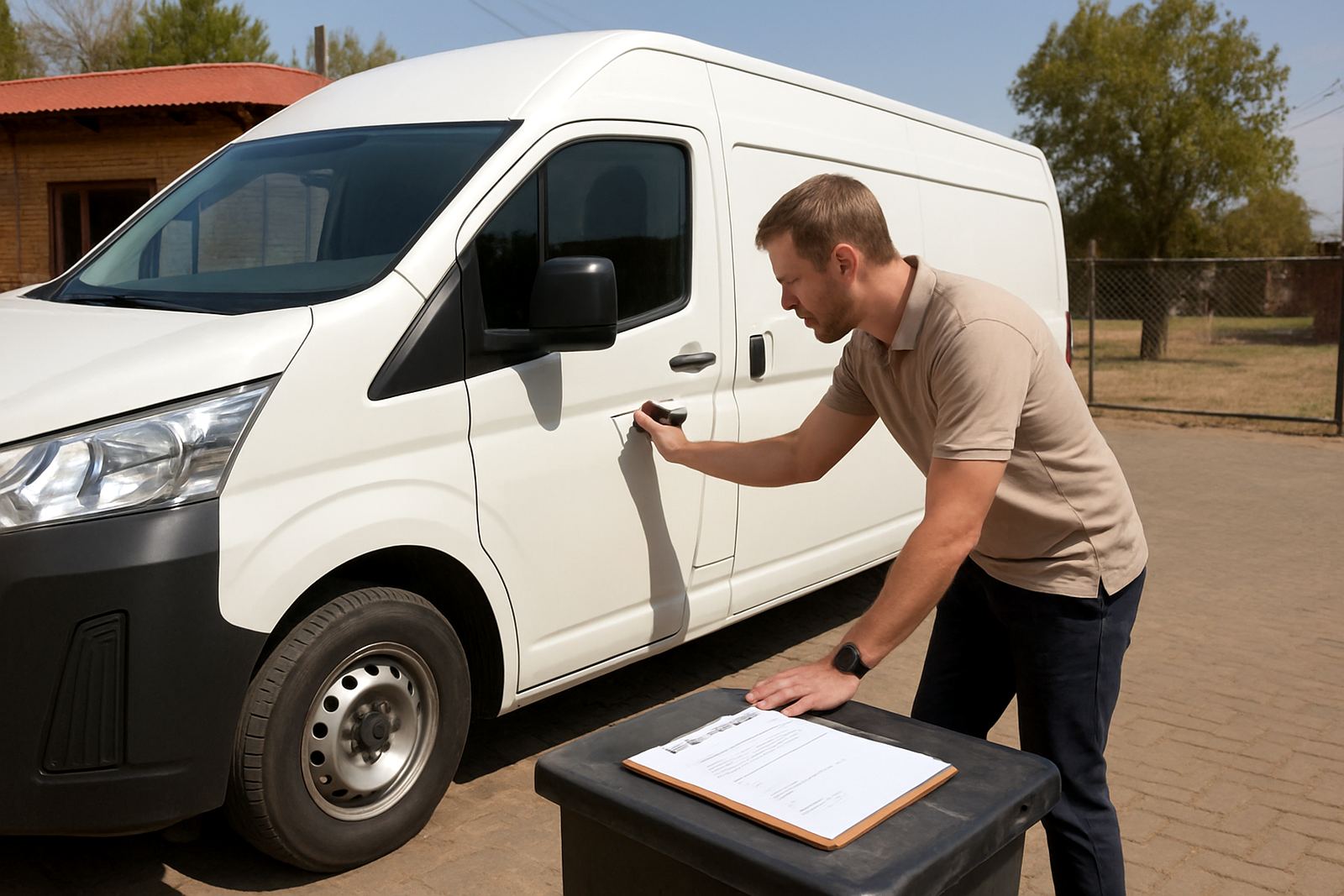
If you are requesting a banner, window graphic, floor decal or wall sign, the size should reflect the exact area to be covered. For vehicle graphics, we need the vehicle make and model and clear photos from both sides, the rear and the bonnet if needed. That helps us avoid fittings that clash with handles, curves or existing trim. A quick sketch with measurements is often enough, no need for fancy drawing.
- Provide width and height in mm where possible
- Include the usable area, not only the overall wall size
- Note any obstacles such as lights, frames, vents or security bars
- For vehicles, send photos in daylight from multiple angles
Tell us what the sign must do on site
Different signs need different artwork treatment. A shopfront sign in Kroonstad may need strong contrast for road visibility, while a door graphic for an office in Bloemfontein may need smaller text and clear wayfinding. If the sign is for outside use, we need to know whether it faces full sun, dust, rain or frequent cleaning.
For areas with strong wind or direct weather exposure, the material choice and fixing method matter just as much as the print. If the sign is for a floor, wall or window, tell us whether it is temporary or long term, and whether it must be removed later without damage. This helps us choose the right print finish, laminate and adhesive, especially in places where load-shedding or power interruptions can affect installation timing.
- State whether the sign is indoor or outdoor
- Tell us if it must be removable later
- Mention exposure to sun, dust, moisture or cleaning chemicals
- Include any site rules, access limits or working hours
Use proper wording, spelling and brand details
Please check all names, spellings, numbers and positions before sending artwork. A small error on a phone number, street name or business name can mean reprints and extra cost. If your business trades in Mangaung, Botshabelo, Thaba Nchu, Welkom or Brandfort, it helps to confirm local place names exactly as they should appear on the final sign.
If you want us to match existing branding, send a clear reference image and explain what must stay the same. That includes colours, taglines, font style and spacing. If a logo has been updated over the years, please point out which version is current. It saves time and avoids mixed branding on signs, labels and vehicle application work. One typo can be costly so best to catch it early.
- Check all names, numbers and addresses before approval
- Send the current logo version if there are multiple files
- Point out exact colours if you need a match
- Tell us what should not change from the existing branding
How to prepare artwork for print and cutting
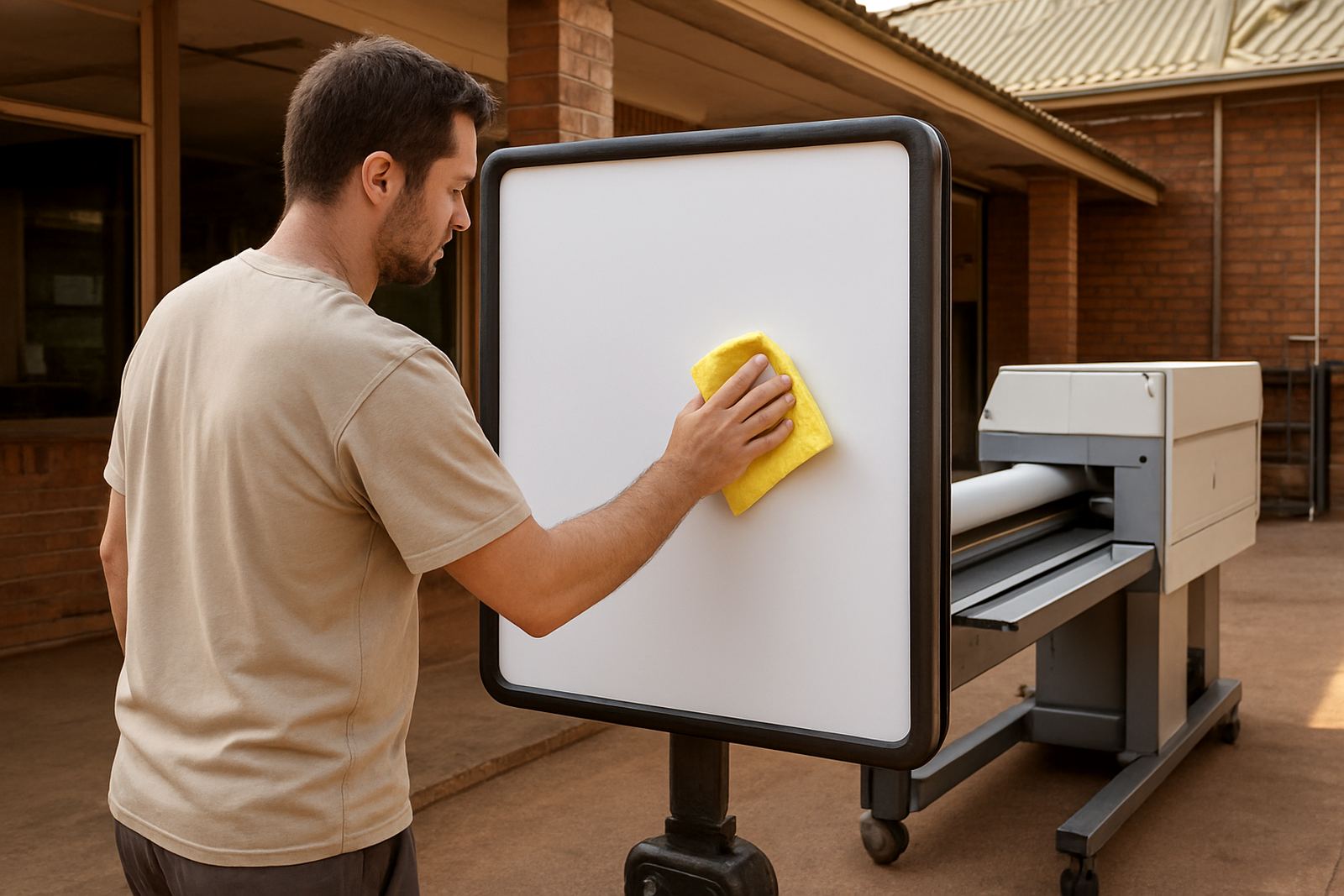
If the design includes solid colours, outlines or cut vinyl, vector artwork gives the cleanest result. For printing, images should be sharp enough at the final size, with enough resolution so that text and edges stay clear. We can also help with logo redraws when a low quality file needs to be rebuilt for production.
Whenever possible, leave margins around the edges of the design. This is especially important for banners, panels and exhibition displays where trimming or hemming may reduce the visible area slightly. If you are supplying a multi-panel artwork, label each panel clearly so the layout stays in order. That makes installation quicker and helps avoid mistakes on site.
- Use vector artwork for cut vinyl and large logos
- Use high resolution images for print work
- Leave a safe margin around all edges
- Label multi-panel designs clearly
A simple checklist before you send artwork
Before you submit anything, take a few minutes to check the file name, size and content. A tidy artwork pack helps us quote accurately and keeps production moving without hold ups. If you only have rough material, send what you have and explain what is missing, then we can advise on the next step.
For faster turnaround, include the artwork, measurements, site photos and any notes about installation or refurbishment. If you need debbranding, maintenance visits or sign refurbishment, tell us what is being removed or updated and whether the existing surface must be preserved. That gives us a clear picture before the job starts.
- Final logo or the clearest available file
- Exact sign size or vehicle details
- Site photos and any access notes
- Text copy that has been checked and approved
- Any deadline linked to opening dates or promotions