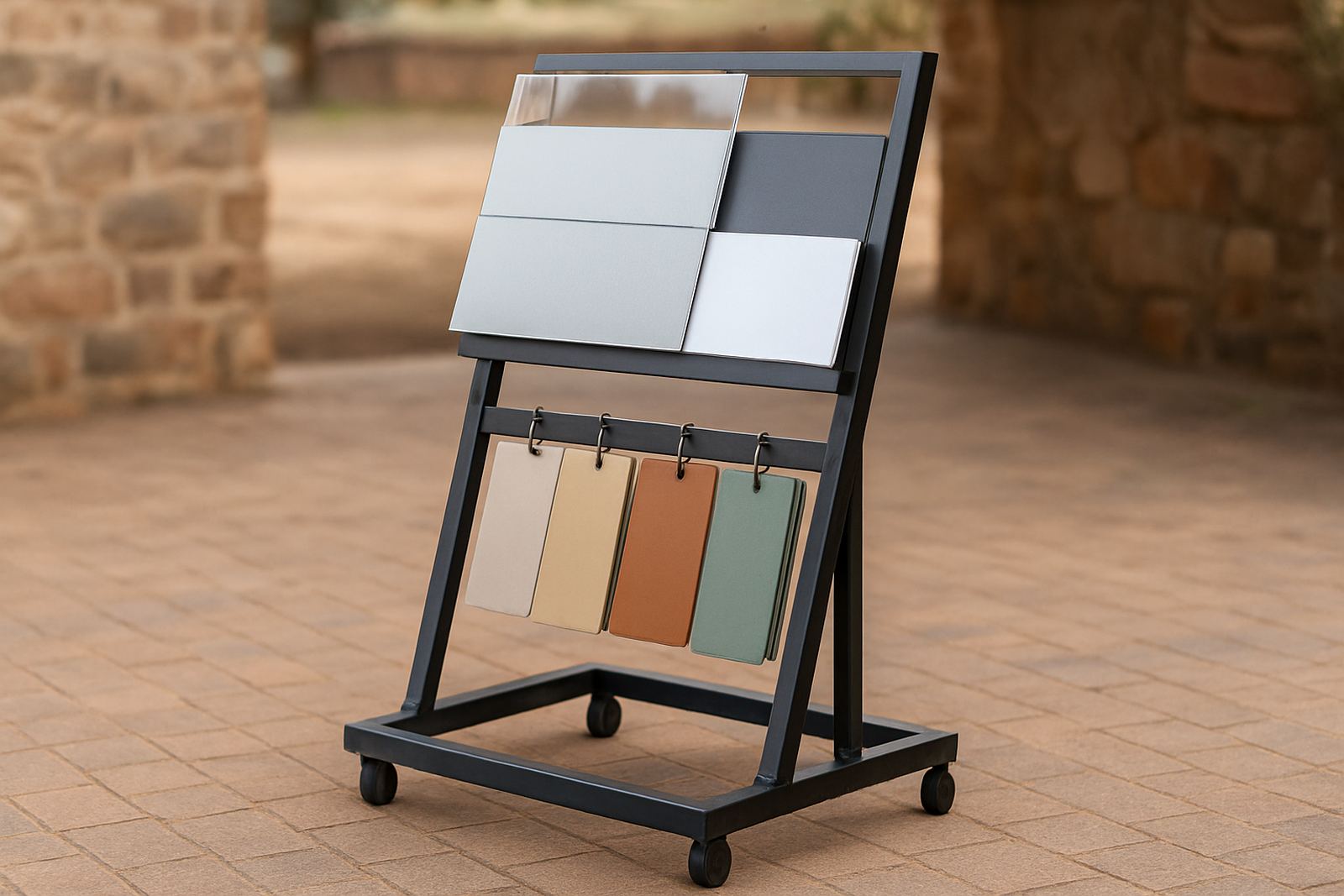
Start with where the sign will live
Indoor sign materials are chosen by location first, not by looks alone. A reception panel in a dry office is a different job from a wall graphic in a busy foyer, and both differ again from directional signs in a school passage or product displays inside a retail shop. In Bloemfontein, where summers can be hot and winters dry, interior spaces often have dust, strong sunlight through windows and temperature changes from air-conditioning. That means the base material and the print finish both matter.
Before a file is even prepared, a site survey helps answer simple questions: Will people touch the sign? Is it behind glass? Does it need to come off later without damage? Is the surface smooth, painted, textured or powder-coated? A sign for a municipal office in Mangaung may need clean, formal branding, while a promotional wall in a shop at the centre of town may need a lighter, changeable system. The right choice saves money later and avoids peeling edges or warping.
- High-touch areas need tougher finishes and proper lamination.
- Sun-facing windows need film that can handle heat and glare.
- Temporary promotions should use materials that remove cleanly.
Acrylic, foam board and PVC board compared
Acrylic is one of the most common indoor sign materials for reception branding, door signs and office displays. It gives a clean finish and can be cut into shapes, drilled for standoffs or printed onto directly. It works well for a polished corporate look, and it is especially useful where a client wants a sign that feels more permanent. The downside is that it can scratch if handled roughly, so it is best placed where staff and visitors will not brush against it all day.
Foam board is lighter and more affordable. It suits short-term exhibitions, presentation boards and internal promotions. It is easy to print on and easy to mount, but it is not the best choice for places with constant contact or where the edges may get knocked. PVC board sits between the two. It has more body than foam board and can handle more use, yet still stays practical for printed office signs, wall panels and menu boards. For a clinic in Thaba Nchu, for example, PVC board can offer a neat balance between cost and durability.
- Acrylic: best for reception signs, premium door branding and long use.
- Foam board: best for events, exhibitions and short campaigns.
- PVC board: best for general indoor signage with a tidy printed finish.
Vinyl graphics for walls, glass and doors
Vinyl is the workhorse of interior graphics. It can be cut for lettering, printed for full colour images or used as frosting on glass. For offices, schools and retail spaces, vinyl suits walls, doors and windows because it can carry branding without adding much thickness. It is also practical where a client needs an update without replacing the whole sign face. A simple slogan, opening hours or directional arrow can be changed quickly.
There are different types of vinyl for different jobs. A matte finish reduces glare under fluorescent lights. A removable adhesive helps where a tenant may move out later. Frosted film is popular on boardroom glass because it gives privacy while still letting light through. In some buildings around Bloemfontein, especially older ones with rough painted walls, the surface prep matters as much as the print. Dust, chalky paint and uneven plaster can affect how long the graphic lasts, so the wall should be checked before installation.
For interior glass partitions, accurate measuring is key because even a few millimetres off can show at the edges. Good installation also avoids bubbles and lifting corners, which tend to happen if the room is too cold or the surface is not properly cleaned.
Labels and wayfinding need a different approach
Labels, room markers and wayfinding signs need clarity before decoration. People must read them fast, often from a standing position and sometimes while walking. That is why font size, contrast and mounting height are as important as the material itself. For hospitals, schools, churches and offices in places like Botshabelo and Welkom, wayfinding should be simple, consistent and durable.
Small signs are often overlooked, but they do a lot of work. A neat label on a storeroom door, a printed plaque for a meeting room, or directional arrows along a corridor can reduce confusion and help visitors move through a space with less asking around. These items are usually made from acrylic, PVC or vinyl on a flat surface, depending on budget and finish. If the sign needs to be changed often, such as staff names or room allocations, a system that allows easy replacement is smarter than a fixed plate.
- Use high contrast colours for quick reading.
- Keep wording short and direct.
- Choose a material that matches how often the information changes.
Exhibition displays that travel well
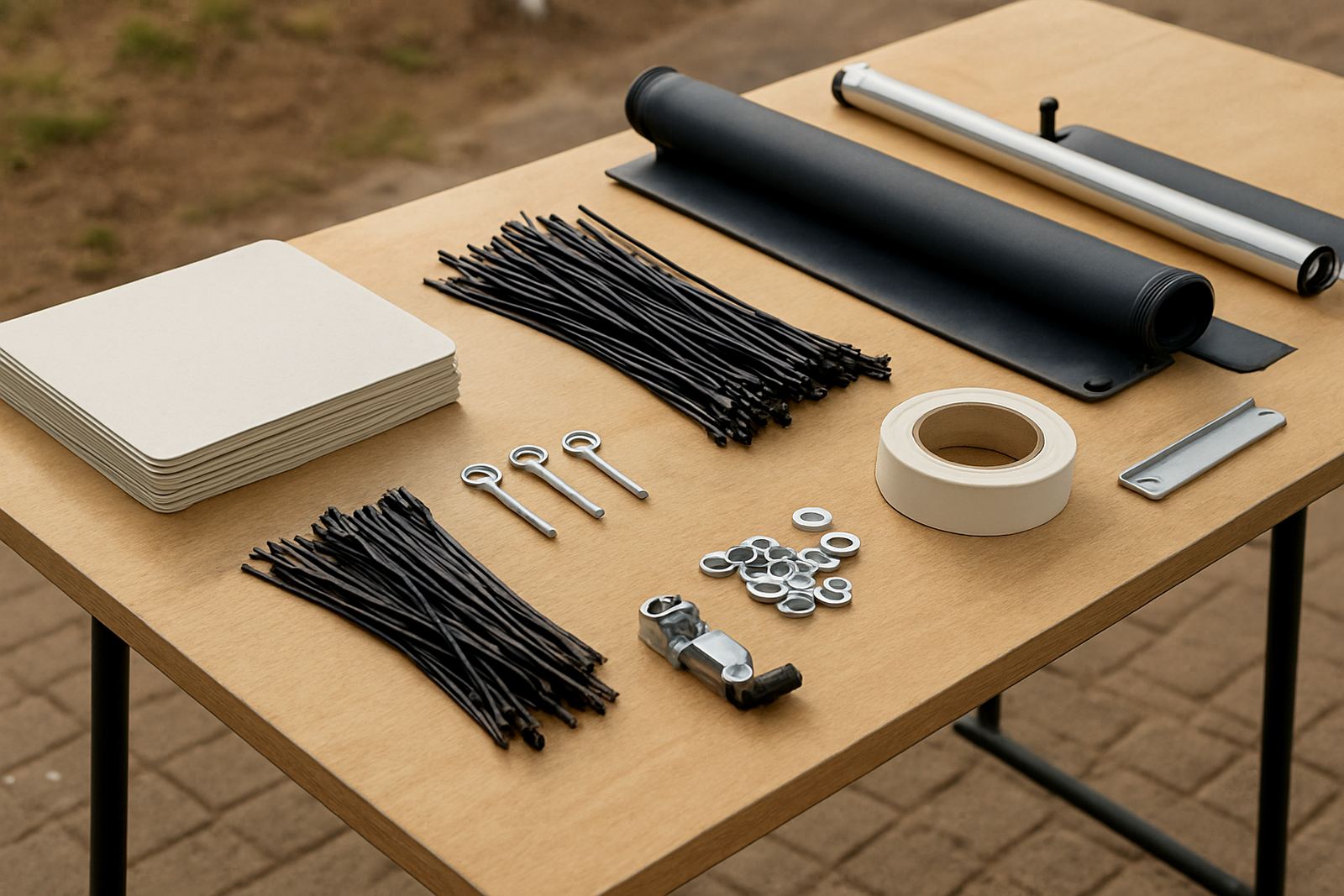
Exhibition displays need to be light, easy to pack and quick to assemble. That makes material choice very important, especially for businesses that attend expos in Bloemfontein, Kimberley or further afield. Foam board, PVC board and tensioned graphic systems are often chosen because they travel better than heavy rigid signs. If a display is going up and down several times a year, the edges, fixings and carry method all need attention.
A good exhibition panel should hold its shape, print cleanly and survive the journey in a bakkie or trailer. If the display will be used indoors only, the material can be lighter. If it may be stored in a warehouse between shows, the print finish should resist scuffs and rubbing. In practice, a well-made display can still look good after a few events if it is stored flat and kept away from damp. That matters in our region where dust and dry air can still be hard on surfaces once they leave the venue.
Exhibition work also benefits from planning the message around the stand size. A busy layout on a small panel usually reads badly, so a clean design with one main message and a few support points works better.
What lasts longest in Free State interiors
Longevity indoors is not only about the board or film. It also depends on the adhesive, print quality, installation method and daily use. In a sunny front office in Bloemfontein, a sign close to a window can fade faster than one in a shaded passage. In a busy retail store, fingerprints and cleaning chemicals can wear down a lower-grade finish. That is why a proper material choice should be linked to maintenance from the start.
For a long-term sign, ask for a finish that can be wiped clean without damage. For temporary campaigns, ask how it will come off later. For any sign near glass, check how heat build-up will affect the film. When a client in Kroonstad wants a reception panel and a set of door labels, the best answer may be to mix materials: acrylic for the main sign, vinyl for the door graphics, and PVC for the internal notice board. This keeps the budget sensible and gives each item the right job.
Maintenance visits also help. A loose corner, faded panel or scratched label can be replaced before the whole area starts looking untidy. Small fixes are cheaper than full reprints, and they keep the brand looking cared for.
Choosing the right mix for your project
The best indoor sign systems are usually mixed, not single-material. A business may need acrylic for the reception, vinyl for glass, PVC for wall notices and foam board for a one-off event. That mix keeps costs under control while making sure each item suits the space. It also helps when staff need signage that can be updated without redoing everything from scratch.
For Central Signs clients across Mangaung, Botshabelo, Thaba Nchu, Welkom and Kroonstad, the starting point is always the same: what does the space need, how long must it last, and who will see it first? Once those three things are clear, the right material choice becomes easier. Good indoor signage should look neat, read well and hold up to everyday use, not just look fine on install day.
If you are planning new internal branding, a site check and a practical material recommendation are the safest way to spend your money well.