Clear direction for busy sites
Directional signs are used to guide visitors from the entrance to the right building, department, bay, room or parking area. They are the signs people notice when they are already looking for an answer, so the wording needs to be simple, the arrows correct and the placement easy to follow. On a large site, good wayfinding saves time, reduces confusion and cuts down on staff being interrupted for directions all day.
We make directional signs for campuses, schools, hospitals, shopping centres, office parks, factories, churches, clinics, sports venues and public facilities. They can be mounted on walls, posts, poles, gates, fences, counters or inside lobbies. For outdoor use in Bloemfontein and surrounding areas, the finish must handle strong sun, dust and winter cold. In coastal humidity this type of sign would need a different protection level, but for the Free State we still recommend materials that stand up well over time.
Most directional systems use a mix of primary signs and smaller secondary markers. A visitor might first see a main entrance board, then a parking arrow, then a building name, then a room identifier. That chain only works when each sign is consistent in size, colour and lettering. If one sign is too small or badly placed, people miss it and the whole route breaks down.
Materials, sizes and mounting options
Directional signs are usually made to order in the size that suits the route, the viewing distance and the number of destinations that must fit on one panel. Smaller indoor signs can start from 300 x 100 mm, while larger site boards can go to 1200 x 900 mm or more. For long driveways or wide entrances, we often use bigger panels with high-contrast lettering so drivers can read them before they turn.
Common material options include aluminium composite, flat aluminium, Perspex, PVC board, foam board for short-term events, and vinyl graphics applied to existing panels. We also make framed signs, standoff wall signs, post-mounted signs and laminated panels for repeated cleaning. If a site needs a more formal look, we can include cut lettering or printed graphics with matching branding. If the site changes often, such as a function venue or exhibition space, removable inserts or swop-out panels can make updates easier.
- Indoor signs for corridors, reception areas and door labels
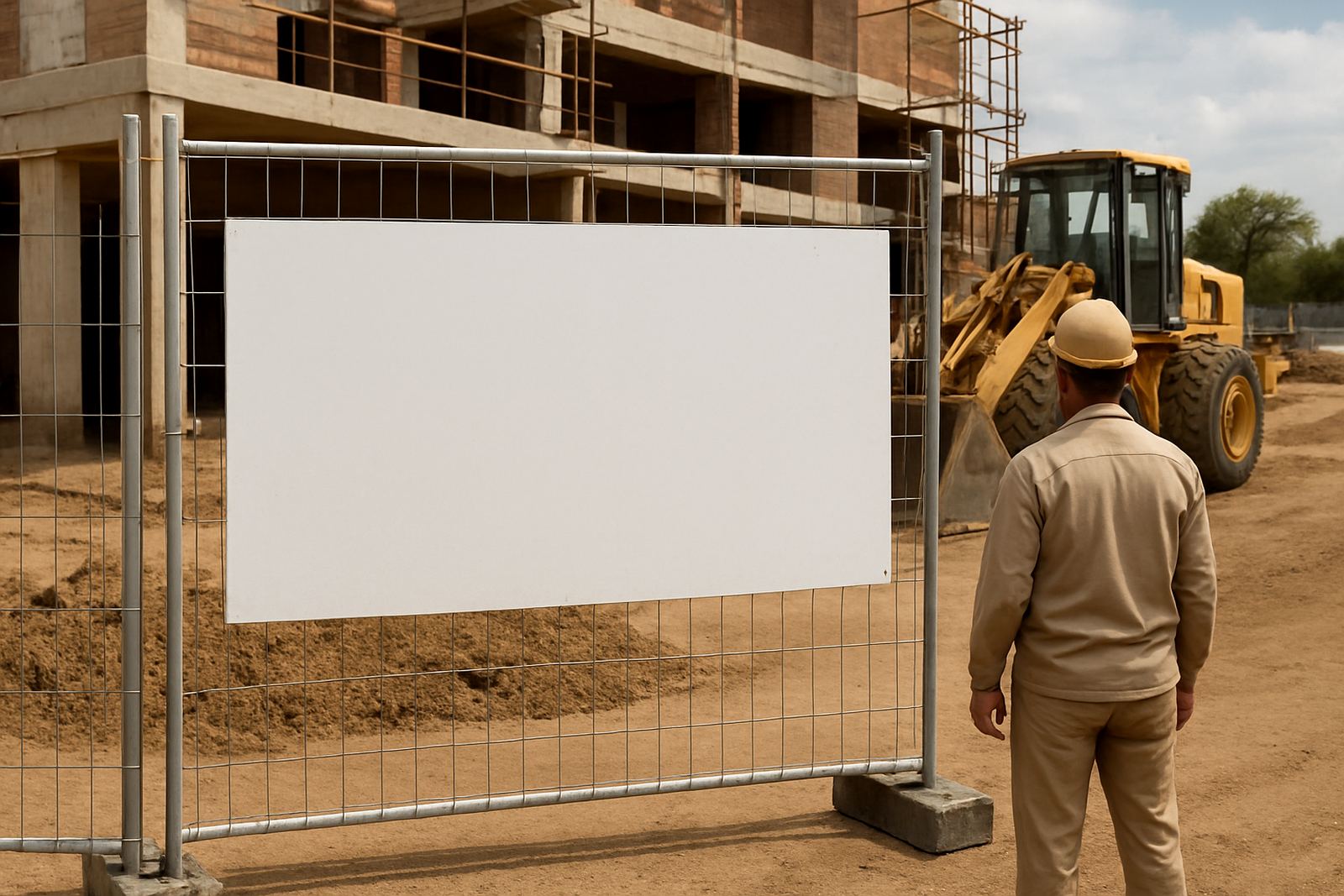
- Outdoor signs for entrances, parking areas and road edges
- Single-panel boards or multi-panel directional systems
- Reflective or high-contrast finishes for low-light areas
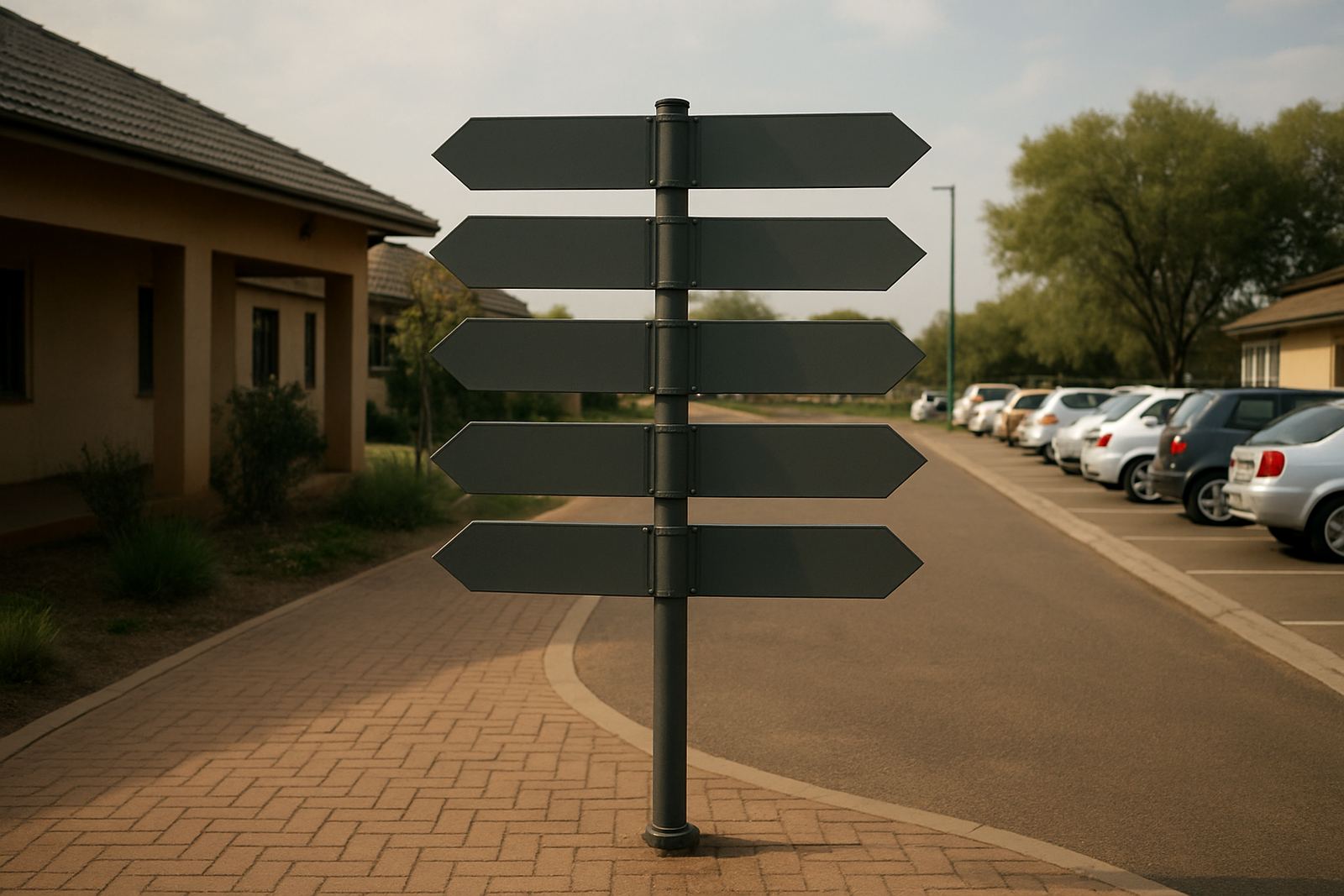
- Post-mounted, wall-mounted or free-standing installations
For temporary events, we can supply lighter boards and banners that are quicker to put up and take down. For permanent sites, we normally recommend stronger substrates and proper fixing so the signs do not shift in wind or work loose after a few months. A sign on a windy corner in Bloemfontein needs more than just a neat print, it needs a fixing plan as well.
Where directional signs work best
Wayfinding signs are most useful where people arrive under pressure or with limited time. Hospitals, schools and clinics need clear navigation because visitors may be anxious and unfamiliar with the site. Campuses and training centres need directional systems that separate vehicle routes, pedestrian routes and department access. Event venues need signs that can direct crowds to registration, halls, toilets, entrances, exits and emergency points.
These signs also suit industrial and commercial sites where deliveries, contractors and clients must find specific gates or loading areas. At a multi-building complex, one clear sign at the entrance is rarely enough. You may need a sequence of signs for reception, visitor parking, security, goods receiving and disabled access. That sequence should use the same font, arrow style and colour coding throughout so visitors learn the pattern quickly.
We supply directional signs across Bloemfontein, Mangaung, Botshabelo, Thaba Nchu, Welkom and Kroonstad, and we also work for Brandfort and Winburg when a site needs practical guidance signage. In smaller towns, a simple sign can often do the work of a whole reception team by making the route obvious from the road or the gate.
- Hospitals, clinics and medical practices
- Schools, colleges and university-style campuses
- Office parks, business centres and municipal facilities
- Churches, sports grounds and event venues
- Factories, warehouses and loading bays
Installation, power and site requirements
Most directional signs do not need power at all, which makes them simple to install and maintain. That is useful during load-shedding too, because the signage still works when lights are off. If you want illuminated directional signs, we can discuss the available power point, cable route and mounting position before production begins. In those cases, the site may need an electrician to provide a safe connection, especially where the sign is outdoors or near public access.
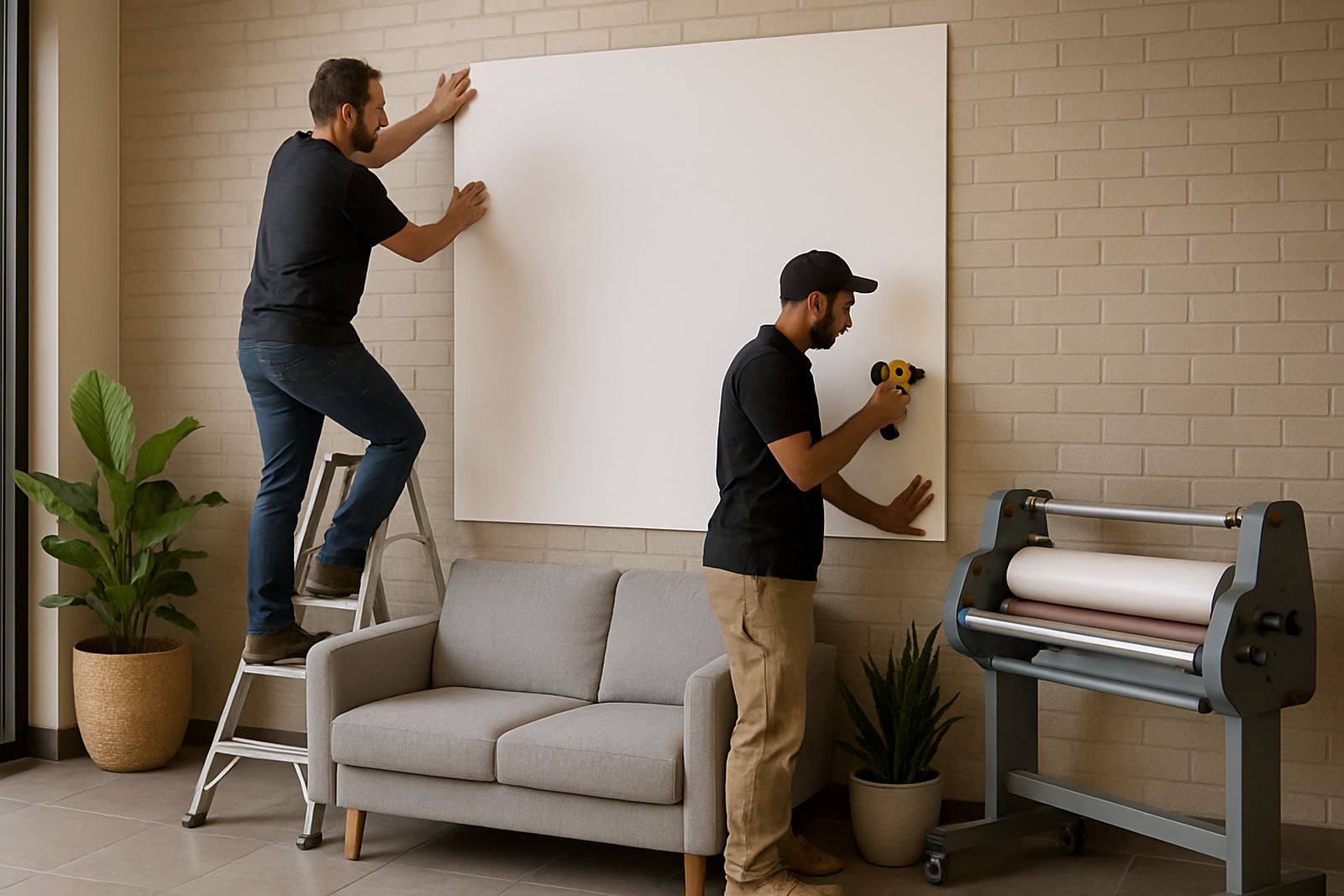
For wall-mounted signs, we check the fixing surface first. Brick, plaster, concrete, steel and cladding all need different fasteners. For freestanding signs, we look at wind exposure, base size and whether the post needs to be set in concrete. A sign that is too high or too low can be missed, so the installation height matters as much as the artwork. We can assist with site surveys before production so the final sign fits the actual route, not just the drawing.
If the area has municipal rules, building access restrictions or public safety requirements, it is better to check that early. Some sites need permission for signs near roads, sidewalks or boundary walls. For public facilities and busy entrances, we also look at visibility from moving vehicles and the clearance needed for pedestrians, trolleys and wheelchairs. It is one of those jobs where a few centimetres can make a big difference, and a sign that blocks a door or covers a fire route is not doing its job.
Care, cleaning and ongoing servicing
Directional signs normally need little care, but they do benefit from regular checking. Dust, sun fade, peeling edges and loose fixings are the usual problems. In Bloemfontein, wind and fine dust can leave a film on outdoor signs, so a gentle clean with water and a soft cloth helps keep the lettering readable. Harsh chemicals can damage the print or scratch the surface, especially on laminated panels.
For sites that change often, we offer maintenance visits and sign refurbishment. That can include replacing faded panels, updating room names, changing arrows after a layout change or removing signs after a temporary event. If a sign has been hit by a vehicle, exposed to water or damaged during building work, it is often quicker to refurbish the panel than to start over completely.
- Clean with mild soap and water, then dry with a soft cloth
- Check fixings after wind, building work or vandalism
- Replace faded vinyl or cracked panels before they become unreadable
- Keep route names and room numbers updated when layouts change
Well-kept directional signs make a site look organised. They also reduce the number of people wandering into the wrong door and asking the same question ten times a day, which helps staff and visitors alike.
What to send with your order
To price and produce directional signs correctly, we need the final wording, the route details and the number of signs required. It helps to know whether the signs are for pedestrians, vehicles or both, because that changes the size and the mounting height. If you already have a logo or brand guide, send it through so the colours and fonts can be matched properly. If not, we can redraw logos and set up the artwork for print or cutting.
Please check the spelling of every destination, because room names, department titles and gate numbers are easy to miss and hard to fix later. It also helps to confirm whether arrows must point left, right, straight ahead or down. For a multi-sign project, send a site sketch or basic map if you have one. That way we can plan the order of the signs and avoid conflicts between vehicle movement and foot traffic.
- Exact wording for each sign
- Sizes, quantities and preferred mounting positions
- Indoor or outdoor use, and whether the area gets full sun
- Any special fixing needs, such as poles, walls or glass
- Deadline for installation, especially for events or openings
Clients can reach us through the enquiry form on our contact page. From there, our team in Hamilton, Bloemfontein can help with artwork setup, vinyl cutting, fabrication and installation. If the site needs multiple sign types, we can coordinate the full set so the directional boards match the rest of the signage on site.
Key facts
| Product type | Custom directional and wayfinding signs |
|---|---|
| Typical sizes | 300 x 100 mm up to 1200 x 900 mm and larger |
| Material options | Aluminium composite, aluminium, Perspex, PVC board, foam board, vinyl |
| Finish options | Printed, laminated, cut vinyl, reflective, single or double sided |
| Mounting options | Wall mounted, post mounted, fence mounted, free-standing |
| Use areas | Campuses, hospitals, events, complexes, offices, factories, public facilities |